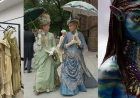
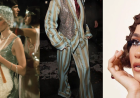
COSTUME DESIGN IN THE YEAR’S BIGGEST FILMS
Movie costumes do more than look good on screen. They establish time, place, personality, status, and transformation before a character says a word.
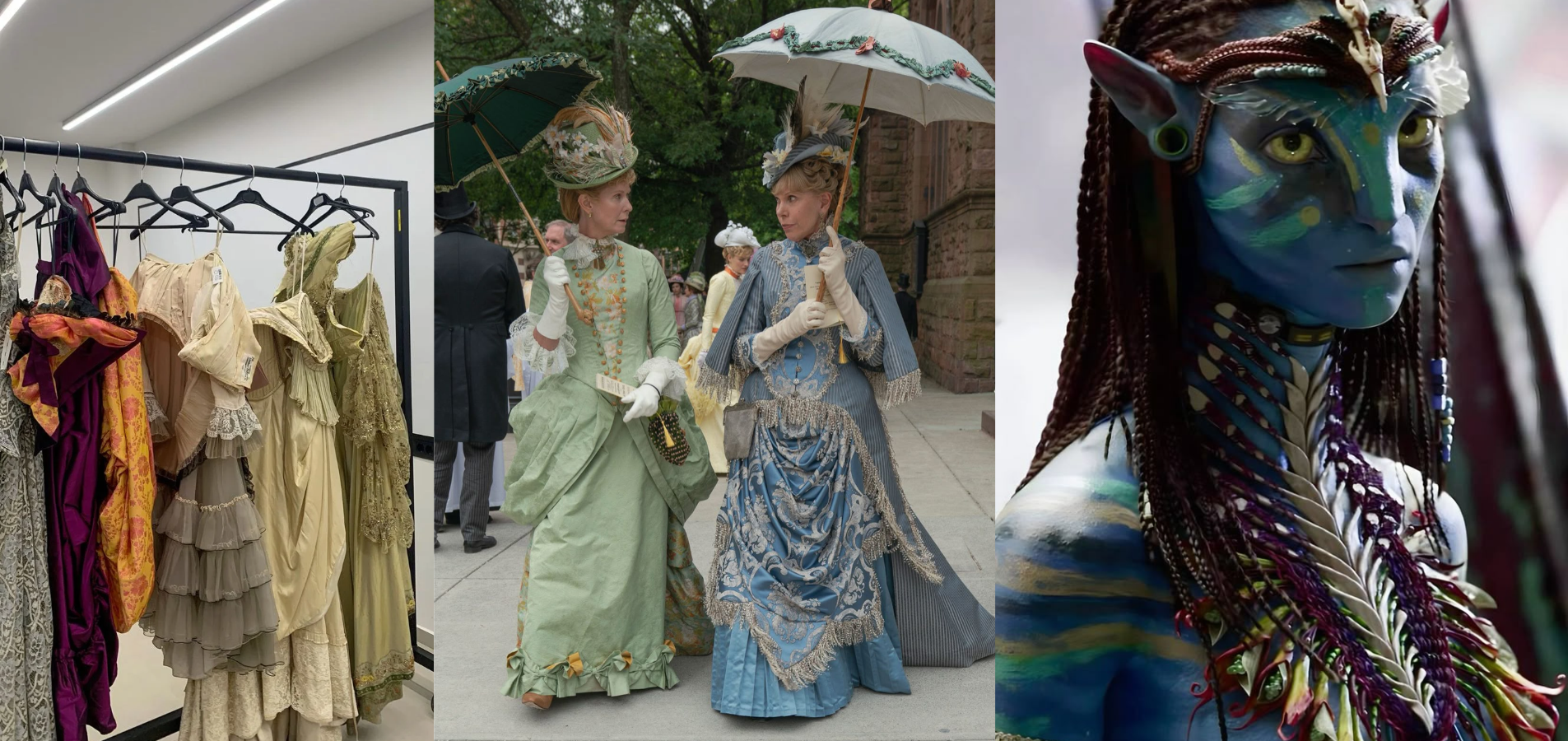
That makes costume design one of cinema’s most important storytelling tools. The 2026 costume-design conversation spans major 2026 releases as well as 2025 films recognized during the 2026 awards cycle. That includes The Devil Wears Prada 2 and Christopher Nolan’s mythological The Odyssey, alongside 2025 releases such as Frankenstein, Sinners, Marty Supreme, Avatar: Fire and Ash and Wicked: For Good, which remained part of the 2026 awards and fashion conversation.
The distinction matters because the 2026 Academy Awards honored films released in 2025. Kate Hawley won Costume Design for Frankenstein, while Deborah L. Scott (Avatar: Fire and Ash), Malgosia Turzanska (Hamnet), Miyako Bellizzi (Marty Supreme) and Ruth E. Carter (Sinners) were also nominated. The 2026 BAFTAs likewise nominated Frankenstein, Marty Supreme, Sinners and Wicked: For Good for Costume Design, with Hawley winning.
Meanwhile, The Devil Wears Prada 2 opened on May 1, 2026, and The Odyssey arrived in theaters on July 17, 2026.
Rather than ranking the best movie costumes of 2026, the more interesting question is: what are these clothes doing for the story?
COSTUME DESIGN AS CHARACTER BUILDING
Costume design in film is the process of creating clothing and accessories that define characters, establish their world and support the story.
That can involve historical research, fabric sourcing, sketching, fittings, construction, aging, dyeing, accessories and collaboration with the director, actors, production designer, hair and makeup teams and visual-effects artists.
The costume designer is different from a stylist. A stylist assembles look for public appearances, editorial shoots, or other fashion contexts. A costume designer creates wardrobes specifically for characters and the fictional world they inhabit.
UCLA’s 2026 Sketch to Screen panel brought together all five Academy Award nominees for Costume Design for a discussion of the creative process behind their films.
The panel also underscored the distinction between production design, which establishes the film's world, and costume design, which helps define the people who inhabit it.
THE YEAR’S BIGGEST COSTUME WORLDS
THE DEVIL WEARS PRADA 2 — MOLLY ROGERS
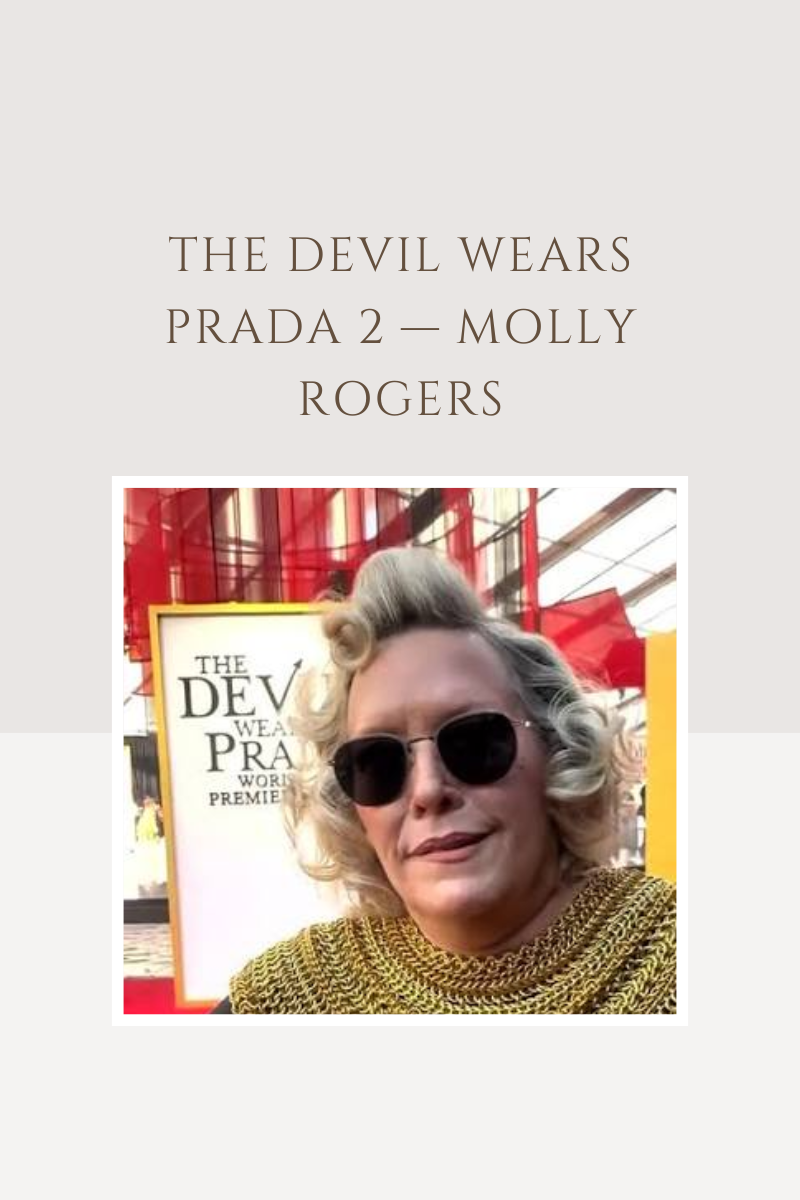
The Devil Wears Prada 2 places fashion directly inside the narrative. Released May 1, 2026, the sequel reunites its original principal cast and returns to the world of Runway magazine.
Costume designer Molly Rogers had an unusual advantage: she worked with Patricia Field on the original film. For the sequel, Rogers has described the task as continuing the established character “DNA” while moving it forward.
That evolution is particularly important for Andy Sachs. Rogers has described Andy as having developed into someone more comfortable with fashion, while Miranda Priestly’s wardrobe retains its controlled authority.
Clothes therefore communicate professional evolution without requiring exposition.
The film also demonstrates the relationship between costume and contemporary fashion. Designer garments and accessories are not simply visual decoration; they help establish the professional hierarchy and cultural environment of Runway.
THE ODYSSEY — ELLEN MIROJNICK

Costume designer Ellen Mirojnick deliberately avoided the familiar Hollywood sword-and-sandals approach for The Odyssey.
Instead, she and director Christopher Nolan pursued what Mirojnick described as a “timeless period.” Linen, leather, and bronze provide a material connection to antiquity without turning the costumes into rigid historical reconstruction.
Odysseus’s garments are weathered and battered, while Penelope’s clothing changes more subtly. The suitors have a more polished and elaborate appearance, creating visual distinctions between groups and personalities.
The approach shows how costume design can make an ancient story legible to a contemporary audience without making it look contemporary.
FRANKENSTEIN — KATE HAWLEY

For Guillermo del Toro’s Frankenstein, Kate Hawley researched the middle decades of the 19th century but deliberately avoided overly strict historical reconstruction. Del Toro wanted period authenticity combined with contemporary creativity.
Victor Frankenstein’s clothing draws on 19th-century menswear but introduces a rebellious quality, including plaid trousers and red gloves.
Elizabeth’s wardrobe is more ethereal. Hawley studied beetle anatomy, botanical imagery, and cellular structures to develop patterns for custom fabrics. Silks, damasks, taffetas, shawls, and veiled bonnets contribute to her distinctive visual identity.
The costume design also interacts closely with the film’s production design and color language. Netflix Tudum describes distinct color signatures for the film’s major spaces, including the gray of urban Edinburgh, the marble and gold of Victor’s ancestral estate, and the harsh white of the Arctic.
The work won the 2026 BAFTA and Academy Award for Costume Design.
SINNERS — RUTH E. CARTER

Ruth E. Carter’s work on Sinners shows how color can become part of character construction.
The film’s twin protagonists, Smoke and Stack, are deliberately separated through red and blue. Carter connected Smoke’s blue wardrobe with denim and workwear, while Stack’s red palette developed through more formal clothing.
Carter’s research included photography from the American South and historical images of Black families and communities. Workwear, hand-me-downs, altered garments, and clothing made or adapted by characters helped ground the period setting.
The costumes therefore do two things simultaneously: they distinguish the twins and make the world around them feel historically lived in.
MARTY SUPREME — MIYAKO BELLIZZI

Marty Supreme takes costume design into early-1950s New York.
Costume designer Miyako Bellizzi used extensive visual research to create a wardrobe that reflects the period while giving each character an individual relationship with clothing.
Marty’s suits help construct the image he wants to project, while clothing also separates social environments. The Lower East Side and the wealthier Upper East Side have different visual languages, with fashion helping establish class and aspiration.
Bellizzi also created individualized uniforms for international table-tennis teams, demonstrating how seemingly functional clothing can contribute to world-building.
The film’s costume design received both Academy Award and BAFTA nominations in 2026.
100 NIGHTS OF HERO — SUSIE COULTHARD

100 Nights of Hero is especially relevant to a fashion audience because costume designer Susie Coulthard drew heavily from fashion imagery rather than attempting conventional medieval accuracy.
The film premiered at the 83rd Venice Film Festival in 2025 before receiving a UK theatrical release in February 2026, making it relevant to the 2026 film-fashion conversation.
Coulthard used exaggerated proportions, puff sleeves, corsetry, precise tailoring, sculptural headwear, and designer pieces to create a fictional world that feels removed from any single historical period.
Much of the wardrobe was constructed specifically for the film, with Coulthard collaborating with tailor Clinton Lotter and London milliners Adèle Mildred and Gabrielle Djanogly.
Fashion references were particularly important. Coulthard has discussed drawing from editorial imagery and contemporary designers, while Elie Saab supplied a gown for Charli XCX’s character.
The approach shows how fashion references can help a fantasy film establish its own visual identity without copying a specific historical era.
AVATAR: FIRE AND ASH — DEBORAH L. SCOTT

Avatar: Fire and Ash represent a particularly unusual costume-design challenge because much of its final visual world exists within a digital environment.
Costume designer Deborah L. Scott and her team developed physical garments, accessories and textiles before the designs entered the digital visual-effects pipeline. Wētā Workshop says its team created more than 3,000 physical costume items for the Avatar sequels, more than 2,000 of them for Fire and Ash, using techniques including flax weaving, wood carving, embroidery and leather tooling alongside modern technologies.
The new clans also have distinct visual identities. The Wind Traders and Ash People were given different approaches to color, materials, accessories, and silhouettes.
The process shows why costume design remains relevant even when audiences see a digital character. Physical materials give VFX artists information about texture, weight, movement, and construction.
Scott’s work received a 2026 Academy Award nomination.
WICKED: FOR GOOD — PAUL TAZEWELL
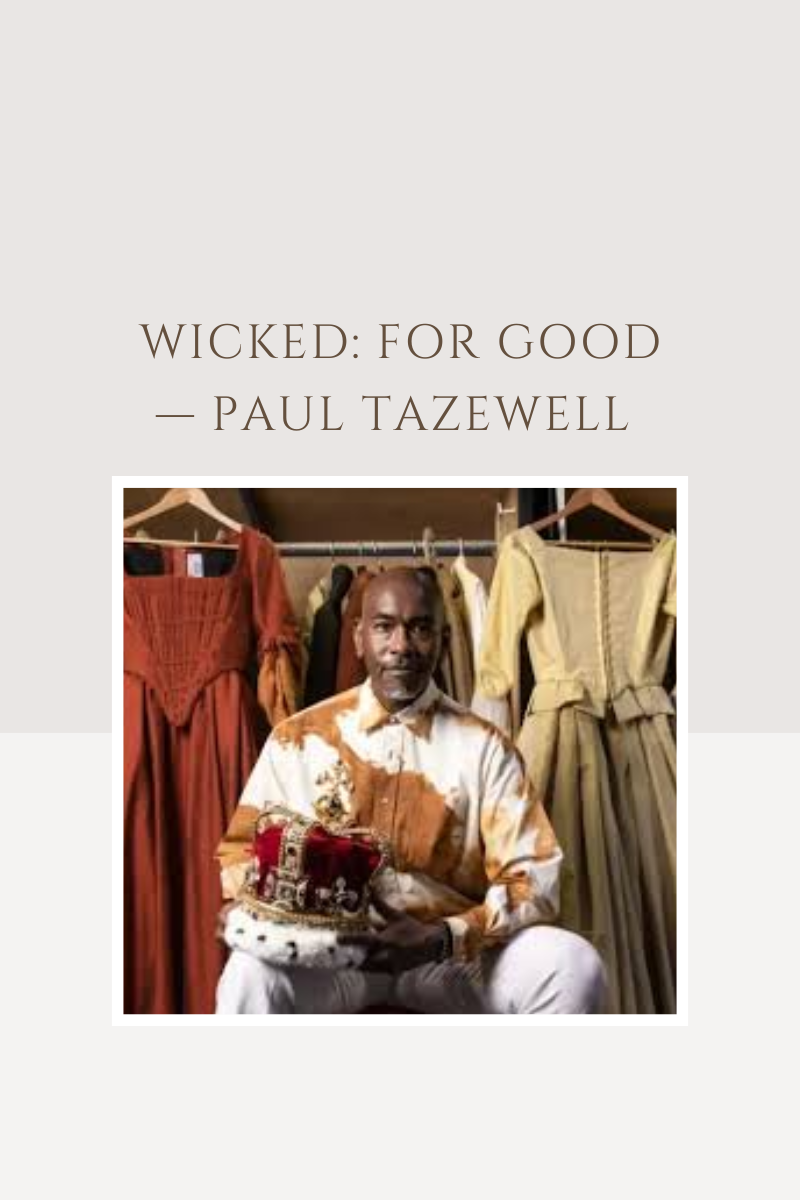
Wicked: For Good was released on November 21, 2025, but its costume design became part of the 2026 awards conversation, earning a BAFTA nomination.
Costume designer Paul Tazewell continued the visual language of the first Wicked film while allowing the characters’ wardrobes to evolve.
Elphaba’s costumes become increasingly worn and deteriorate, while Glinda’s wardrobe becomes more elaborate and regal. Key pieces include Glinda’s bubble dress, butterfly-embroidered wedding gown and ombré cloak.
Changing clothes helps communicate the characters’ changing public roles without turning the costumes into simple visual decoration.
PERIOD AND FANTASY VS. CONTEMPORARY COSTUME DESIGN
| PERIOD / FANTASY | CONTEMPORARY |
| Historical research | Current fashion references |
| Reconstructed or custom-built garments | Existing fashion pieces and designer clothing |
| Period fabrics and techniques | Modern materials and production methods |
| Silhouette accuracy or intentional reinterpretation | Character individuality and personal style |
| World-building | Social and professional status |
| Historical or invented cultures | Current cultural references |
Contemporary films face a different challenge: the clothes must feel recognizably of their moment while still distinguishing characters within an already familiar fashion landscape.
The distinction is useful, but the categories are not rigid. Frankenstein mixes historical research with fantasy. 100 Nights of Hero uses fashion references inside a fairy-tale world. The Devil Wears Prada 2 uses contemporary fashion with the same attention to character construction found in period cinema.
QUICK REFERENCE: FILM COSTUME DESIGN 2026
| Film | Costume Designer | Costume Approach | Key Visual Ideas |
| The Devil Wears Prada 2 | Molly Rogers | Contemporary fashion | Character evolution through designer dressing |
| The Odyssey | Ellen Mirojnick | Period / mythological | Timeless antiquity through linen, leather, and bronze |
| Frankenstein | Kate Hawley | Gothic period fantasy | 19th-century research mixed with organic motifs |
| Sinners | Ruth E. Carter | Period | Red/blue character distinction and workwear |
| Marty Supreme | Miyako Bellizzi | 1950s period | Tailoring, class, and ambition |
| 100 Nights of Hero | Susie Coulthard | Fantasy / fashion hybrid | Couture references and sculptural headwear |
| Avatar: Fire and Ash | Deborah L. Scott | Fantasy / digital costume design | Physical costume construction informing digital character |
| Wicked: For Good | Paul Tazewell | Fantasy | Wardrobe evolution and theatrical silhouettes |
WHEN COSTUME DESIGN MEETS FASHION
The relationship between cinema and fashion is not one-directional.
Costume designers may reference runway collections, archival garments, vintage photography, fashion editorials, or individual designers. Films can also introduce audiences to silhouettes, accessories or styling ideas, becoming part of wider fashion conversations in 2026.
100 Nights of Hero is an especially clear example because Coulthard has spoken openly about fashion as a major source of inspiration. The Devil Wears Prada 2, meanwhile, operates inside the fashion industry itself, making designer clothing part of the film’s world rather than merely a reference. That connection also places film wardrobes within the wider fashion conversation of 2026.
The key is to distinguish documented collaboration from visual resemblance. A costume should not be described as inspired by a fashion house or runway collection unless the designer or production has confirmed that relationship.
The broader relationship between cinema and fashion also extends to the red carpet, where film premieres can influence celebrity dressing and wider fashion conversations, as seen in coverage of the best-dressed celebrities at the 2026 Venice Film Festival.
THE DETAILS THAT MATTER
Some of the most revealing costume details can be found in small elements:
● Buttons: period, quality, and social status
● Shoes: occupation, wealth, and practicality
● Jewelry: identity, symbolism, and class
● Headwear: cultural or social signals
● Fabric aging: history and lived experience
● Dyeing: color continuity and visual storytelling
● Embroidery: craftsmanship and cultural detail
● Silhouette: personality and period
● Repeated colors: character or group association
● Costume changes: transformation and narrative progression
In Sinners, for example, red and blue help separate the central twins. In Frankenstein, natural imagery becomes part of Elizabeth’s clothing. In Avatar: Fire and Ash, material construction helps communicate the identities of different Na’vi communities.
FROM SKETCH TO SCREEN
A major film costume can pass through many stages:
Research → Sketches → Sourcing → Fittings → Construction → Alterations → Aging/Breakdown → Filming
The 2026 UCLA Sketch to Screen panel offered a useful look at this process. The Academy Award nominees discussed historical research, fittings, camera tests, collaboration with actors and the technical challenges of translating designs into different cinematic environments.
For Avatar: Fire and Ash, physical costumes were used as references for digital recreation. For Sinners, fittings helped refine the identities of Smoke and Stack. For Frankenstein, Hawley’s team created and dyed custom textiles.
Costume design is therefore both an artistic and technical discipline.
WHY COSTUME DESIGN MATTERS
Costume design in 2026 is not defined by one aesthetic.
It can mean the contemporary fashion language of The Devil Wears Prada 2, the timeless mythology of The Odyssey, the gothic historical fantasy of Frankenstein, the period realism of Sinners and Marty Supreme, the fashion-inflected fantasy of 100 Nights of Hero, the physical-to-digital craftsmanship of Avatar: Fire and Ash, or the theatrical character evolution of Wicked: For Good.
The common thread is storytelling.
A costume can tell audiences where someone comes from, what they value, how much power they have, what world they inhabit and how that identity is changing.
That is why the most useful way to discuss 2026 movie costumes is not simply to ask which clothes look the most fashionable. It is to ask what those clothes are telling us.
FAQs - COSTUME DESIGN IN THE YEAR’S BIGGEST FILMS

I’m a fashion and entertainment writer specializing in celebrity style, red carpet fashion, beauty, and emerging cultural trends. My work combines fashion knowledge with editorial research to provide informed perspectives on the designers, celebrities, collections, and style moments shaping contemporary popular culture.