Does Gua Sha Actually Work? A Facial Massage Explainer
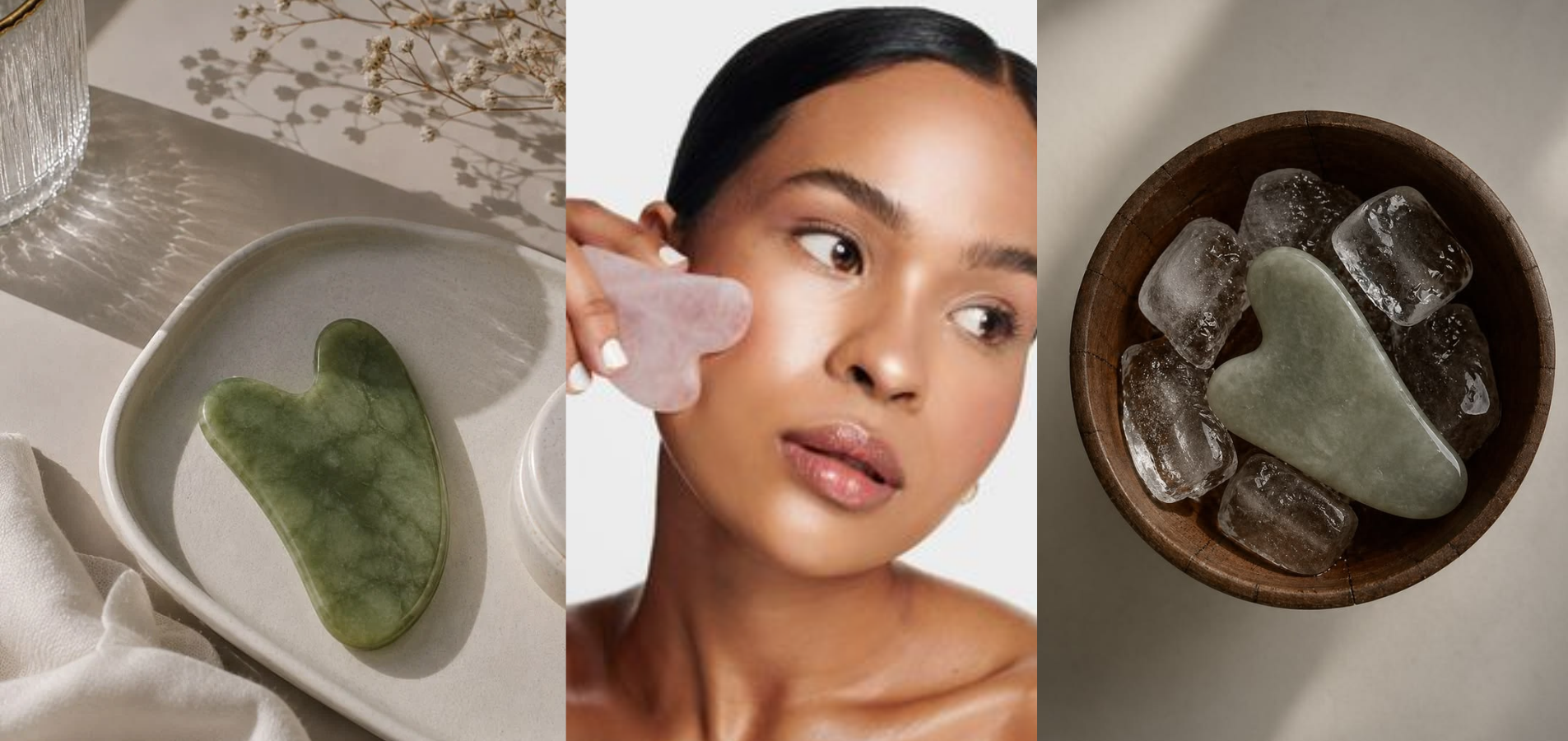
Does Gua Sha Actually Work?
A smooth stone gliding along the jawline, sweeping across the cheeks and moving up the forehead has become a familiar sight in skincare routines. On social media, facial gua sha is often credited with a slimmer face, lifted cheeks and smoother wrinkles.
The appeal is understandable. The technique is simple, requires little equipment and can feel like a relaxing addition to a skincare routine. Some people also notice that their faces appear less puffy after massage.
However, a temporary improvement in appearance is not the same as a permanent change in facial structure. So, does gua sha work? It may temporarily reduce puffiness, but current evidence does not establish that it permanently slims the face, reshapes the jawline, or reduces wrinkles.
An August 2026 analysis by Dermatology Times explores this distinction, examining the evidence behind viral facial-sculpting claims.
What Is Gua Sha?
Gua sha is a traditional East Asian practice that uses a smooth-edged tool to stroke or scrape the skin. Traditional body gua sha may involve firmer pressure and produce red or purple marks caused by tiny areas of bleeding beneath the skin.
Modern facial gua sha uses much lighter pressure. The tool glides over the cheeks, jawline, and forehead, often with moisturizer or facial oil to reduce friction.
| Technique | What it involves |
| Traditional body gua sha | Stroking or scraping the body, sometimes producing visible marks |
| Facial gua sha | Gentle, controlled movements across the face |
| Hands-only massage | Using fingers and hands without a separate tool |
Research involving traditional body gua sha cannot automatically establish the benefits of gentle facial massage. The pressure, treatment area and intended outcomes differ.
What Does the Evidence Actually Say?
Research into facial gua sha remains limited. A 2023 review in the Journal of Cosmetic Dermatology concluded that evidence was insufficient to establish definitive dermatological and anti-aging benefits. The available literature had important limitations, including small studies and weaknesses in research methods.
A randomized trial published in 2025 compared gua sha with facial-roller massage over eight weeks. It enrolled 34 women aged 20-50, with 33 completing the study. Participants performed their assigned massage for 10 minutes, five times a week.
The researchers measured facial contours, muscle-tone parameters, and skin elasticity. The gua sha group showed reductions of 2.23-2.40 millimeters across reported facial surface-distance measurements. The roller group also showed changes in facial measurements and selected elasticity measures.
These findings are worth considering, but the trial had limitations:
- The sample was small.
- There was no untreated control group.
- Follow-up did not establish whether changes persisted after treatment stopped.
- The study did not establish permanent facial reshaping or fat loss.
The measurements are objective findings, not proof of a dramatic visible transformation. More research is needed to determine their clinical significance and durability.
What Gua Sha May Actually Do?
Temporarily Reduce Facial Puffiness
Gentle facial massage may help some people look temporarily less puffy by influencing fluid movement. Cleveland Clinic’s gua sha guide notes that this is plausible, although research specifically examining gua sha for facial puffiness is limited.
Any visible changes are likely to be temporary. Reduced puffiness does not mean facial fat has disappeared or that the jawline has been permanently reshaped.
Increase Surface Blood Flow
Research on traditional body gua sha has measured increased local microcirculation. However, a frequently cited pilot study involved only eleven healthy participants and used firmer pressure on the back.
Measured changes in circulation do not establish that gentle facial gua sha improves skin health, stimulates collagen, or reduces wrinkles.
Provide a Relaxing Massage Ritual
Some people may find facial massage relaxing or enjoyable. This is a subjective benefit rather than a measurable cosmetic effect, but it may still make gua sha a worthwhile part of a personal self-care routine.
Producing Measurable Facial-Contour Changes in Preliminary Research
A 2025 trial reported slight changes in facial surface measurements after eight weeks of massage. These included changes in facial contour measurements, but the study did not establish fat loss, changes to facial bones or permanent slimming.
These findings offer an early contribution to research on facial massage, but the measurements should not be interpreted as proof of lasting facial reshaping.
Does Gua Sha Actually Slim Your Face?
Gua sha may temporarily change facial definition, but there is no robust evidence that it permanently reduces facial fat or changes bone structure.
Temporary de-puffing involves a possible short-term change in the appearance of swelling. Facial fat reduction means changing the amount of fat beneath the skin, while structural reshaping involves lasting anatomical changes. Gua sha has not been established as a method of achieving either of the latter outcomes.
Lighting, camera angles, and facial expressions can also influence how defined the face appears. Gua sha is not a weight-loss treatment, and a naturally round face does not need to be corrected.
Can Gua Sha Lift Your Face or Reduce Wrinkles?
Facial lifting
At-home gua sha has not been shown to produce a lasting lifting effect comparable to medical or surgical procedures. A temporarily refreshed appearance should not be confused with structural lifting.
Wrinkles and collagen
There is insufficient high-quality evidence that facial gua sha permanently reduces wrinkles or stimulates enough collagen to create lasting changes in firmness. Increased surface blood flow alone does not demonstrate collagen production.
For concerns about wrinkles or skin laxity, prioritize evidence-based skincare and seek professional advice about appropriate treatments.
Does the Type of Gua Sha Tool Matter?
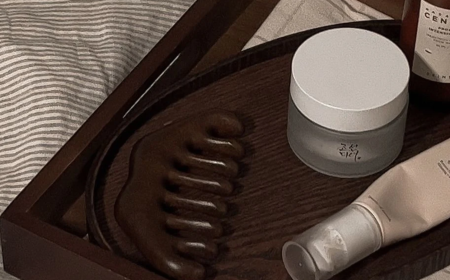
Tools are available in jade, rose quartz, other stones, and stainless steel. There is no established evidence that a particular gemstone delivers better facial results.
Prioritize smooth, intact edges, comfortable handling, easy cleaning, and a surface that glides without pulling the skin. Cleveland Clinic notes that a dedicated gemstone tool is not essential for the basic massage motion.
Clean hands may be a suitable alternative if you do not want to purchase a separate device.
How to Use Gua Sha More Safely
Step 1: Clean your skin and tools. Follow the manufacturer’s cleaning instructions and avoid chipped or damaged tools.
Step 2: Apply a suitable skincare product. Use a moisturizer, serum, or facial oil your skin already tolerates to reduce friction.
Step 3: Use exceptionally light pressure. Let the tool glide rather than scrape aggressively.
Step 4: Make smooth, controlled strokes. Move gently in one direction without forceful back-and-forth rubbing.
Step 5: Avoid irritated or damaged areas. Do not massage over wounds, sunburn, rashes, or actively inflamed skin. Stop if you experience pain, bruising or persistent irritation.
These precautions reflect Cleveland Clinic’s facial gua sha guidance.
Important: Red-purple marks can indicate bleeding beneath the skin. They are not proof that the technique is working better.
Who Should Be Cautious with Facial Gua Sha?
Avoid using gua sha over wounds, sunburn, or active irritation. People with rosacea, eczema, psoriasis, fragile surface blood vessels, circulation problems, or a tendency to bruise should seek professional advice before trying it.
Anyone with a bleeding disorder or taking blood-thinning medication should consult a healthcare professional before using gua sha, as pressure may increase the risk of bruising or bleeding.
After cosmetic injections or other facial procedures, follow the treatment clinician’s specific aftercare guidance, including when it is safe to resume facial massage.
Stop if gua sha causes pain, bruise, broken skin, or persistent redness. This information is for general educational purposes and is not a substitute for individualized medical advice.
Gua Sha vs. a Facial Roller vs. Hands-Only Massage
| Method | Practical difference | Evidence consideration |
| Gua sha | A smooth-edged tool glides over the skin | Limited facial-specific research |
| Facial roller | A rolling tool moves across the skin | Included in the 2025 trial; lasting benefits remain uncertain |
| Hands-only massage | Uses fingers and hands | Avoids purchasing a separate tool; lasting cosmetic benefits remain unproven |
The lymphatic system helps transport fluid through the body. Gentle directional massage may influence fluid movement, offering a plausible explanation for temporary changes in facial puffiness.
However, temporary fluid movement is not the same as detoxification or permanent facial sculpting. Gua sha has not been established to remove toxins from facial tissue, reduce facial fat or replace medical treatment for lymphatic conditions.
The August 2026 Dermatology Times emphasizes the distinction between plausible short-term effects and unsupported structural claims.
Why Can Before-and-After Gua Sha Videos Be Misleading?
An immediate before-and-after comparison may show a genuine change without demonstrating that it will last. A face that looks puffy before massage may appear less swollen afterward.
When evaluating these videos, consider how much time passed between images, whether the lighting and camera angles stayed consistent, whether filters were used, and whether longer-term results are shown.
A photograph captures appearance at one moment. It cannot independently establish permanent fat loss, collagen stimulation, or structural reshaping.
Is Gua Sha Worth Trying?
Gua sha may appeal to people who enjoy facial massage, want a relaxing beauty ritual or are curious about temporarily reducing puffiness. It may not be worth purchasing a special tool if your main goal is permanent face slimming or wrinkle removal, because those outcomes remain unproven.
Choose a method you enjoy, use it gently and keep your tool clean. For a simpler routine, explore fashionwalt’s Beginner’s Guide to Minimalist Skincare. Readers interested in everyday facial preparation can also visit Skincare-First-Makeup Routine: A Step-by-Step Guide.
The goal is not to collect every viral beauty tool, but to build a routine that suits your skin and expectations.
The Bottom Line
Gua sha is not a proven facial-sculpting treatment, but it is not necessarily a pointless beauty ritual. It may temporarily reduce puffiness and offer an enjoyable massage experience. Preliminary research has measured changes in facial parameters, but permanent slimming, structural lifting, fat reduction, and lasting wrinkle reversal remain unproven.
If you enjoy gua sha, use it gently and keep your expectations realistic. You do not need an expensive tool–or a more sculpted face–to have a worthwhile skincare routine.
FAQs - Does gua sha work?

Fashion and culture writer with a keen eye for red-carpet style, celebrity dressing, beauty, and the intersection of fashion and film. Their work explores the ideas and stories behind the looks, from emerging trends and archival fashion to the evolving language of modern celebrity style.