Thrifting Guide: How To Find Designer Pieces Secondhand
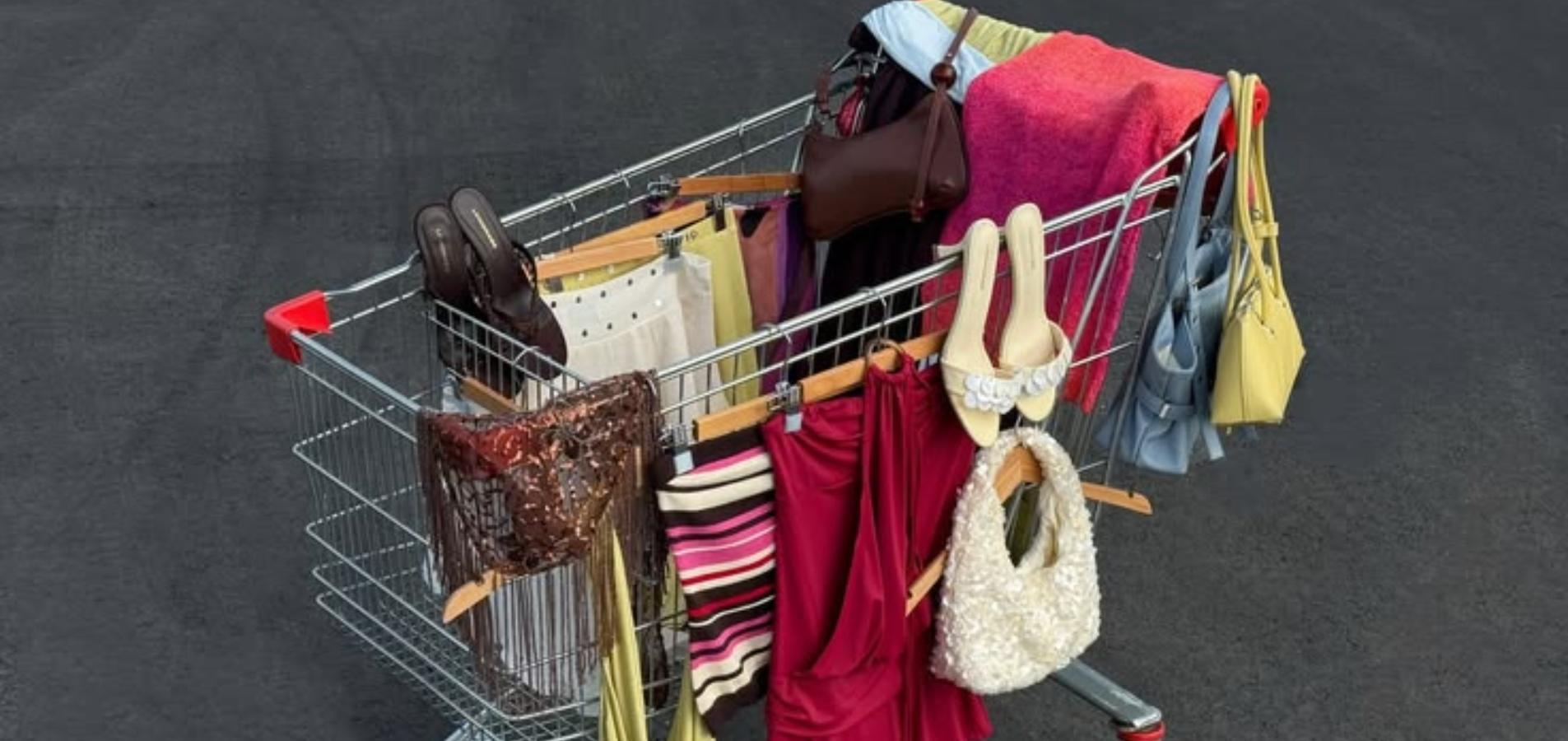
Designer shopping does not have to begin at a boutique. A 1990s Prada skirt, a Jean Paul Gaultier top, Ralph Lauren tailoring or an Issey Miyake pleated piece might be waiting in a thrift store, vintage shop, or online resale listing. The challenge is knowing how to find the right item without wasting hours searching – or buying something damaged, overpriced or counterfeit.
Secondhand fashion is an established part of industry. In June 2026, Vogue Business reported that 23% of Gen Z consumers had shopped at secondhand stores. RealReal’s 2026 Resale Reports found that demand for vintage on its platform had increased 432% since 2020, while searches for fashion rose 93%.
The appeal extends beyond lower prices. Secondhand shopping can provide access to discontinued collections, older creative-director eras, unusual fabrics, and silhouettes no longer produced. The key is to search specifically, inspect carefully, verify authenticity, and compare the total cost before buying.
Decide What You Want to Find
Searching for ‘designer clothes is too broad. Start with one target and narrow your search using additional details.
- Designer: Prada, Miu Miu, Celine, Alaïa or Dries Van Noten.
- Era: 1990s, early 2000s or 2010s.
- Garment: leather jacket, tailored blazer, silk blouse, or pleated skirt.
- Design details: bias-cut, embroidered, sculptural, beaded, low-rise or logo-free.
Instead of searching for “Prada skirt,” try “1990s Prada pleated skirt.” add a material, color, silhouette, or collection year when you have reliable information.
Understand Secondhand Fashion Terminology
These terms overlap, but they have different meanings.
| Term | Meaning |
|---|---|
| Resale | Previously owned clothing or accessories sold again. |
| Thrift | The broader market for previously owned goods. |
| Vintage | Usually lower-cost secondhand shopping, often through charity, nonprofit or general thrift stores. |
| Archival | Fashion from an earlier era; exact age definitions vary. |
| Consignment | A piece from a designer’s past work or collection. It is not necessarily old enough to be vintage. |
| Deadstock | Older inventory that was never sold or worn, although sellers may use the term differently. |
A past runway piece can be archival without qualifying as vintage. Neither term guarantees that an item is rare, authentic, or valuable.
Choose the Right Place to Shop
Different shopping destinations offer different advantages.
- Thrift stores: useful for unexpected finds and lower starting prices, but inventory is unpredictable and requires more searching.
- Vintage stores: good for curated, era-specific pieces. Prices may be higher because the seller has already sourced and selected the garments.
- Designer consignment: useful for recognizable luxury labels, detailed descriptions and, depending on the seller, authentication services.
- Online resale platforms: RealReal, Vestiaire Collective, eBay, Poshmark, and Depop offer different mixes of designer, vintage, and everyday secondhand fashion.
- Estate sales and auctions: potential sources of older wardrobe, accessories, and unusual tailoring, but they require research and careful attention to sale terms.
Check current platform availability, fees, authentication coverage, and return policies before purchasing. Not every item sold through a marketplace is automatically authenticated.
Search Like a Collector, not a Casual Browser
Combine a designer’s name with specific details rather than relying on the brand alone.
For example, try:
- ‘’Prada 2000s pleated skirt”
- ‘’Miu leather jacket 2010’’
- ‘’Celine Phoebe Philo wool coat’’
- ‘’Jean Paul Gaultier mesh top’’
- ‘’Issey Miyake pleated skirt’’
- ‘’1990s silk bias-cut dress’’
Search using creative-director names, collection years, materials, colors, and distinctive construction details. Try alternate spellings and broader descriptions, too, because sellers may not know an item’s exact collection.
A useful research habit is to save runway photographs or reputable editorial references. Study silhouettes, buttons, hardware, prints, seams, and pocket placement, then use those details to refine your searches.
You might prefer Phoebe Philo-era Celine, Nicolas Ghesquière-era Balenciaga, or Marc Jacobs-era Louis Vuitton rather than every item from a particular brand. Identifying the creative-director era can help you find the aesthetic you want.
To make online searching more efficient, save useful searches, set alerts where the platform allows them, and compare several search variations instead of relying on one exact phrase. For example, search for both a designer and a garment type, then try variations using the era, material, silhouette, or collection details. Follow reliable sellers whose listings include clear photographs, accurate measurements, detailed condition descriptions, and consistent product information. Review their selling history and return policies and continue verifying each item individually rather than assuming every listing from a familiar seller is authentic.
Searching for construction can also reveal overlooked listings. Terms such as ‘’cashmere double-breasted blazer,’’ ‘‘sculptural wool coat’ or ‘’embroidered silk blouse’’ may uncover relevant garments that lack a prominent designer name. However, a material description alone cannot prove quality or authenticity.
How to Spot Designer Pieces in a Thrift Store
Start with outerwear, tailoring, formalwear, and unusual fabric sections. Check men’s leather pieces, too.
Inspect each promising garment:
- Neckline label: comparing the brand name, typography, stitching, and label construction with reliable references.
- Care label: check fiber content, washing instructions, manufacturer information, and country of origin.
- Construction: examine seams, lining, hems, buttons, zippers, and closures.
- Fabric: look at weight, weave, drape, texture, thinning and pulls.
- Overall consistency: consider whether the materials, construction and design match the claimed garment and period.
No single label, stitch, zipper, or country-of-origin detail proves authenticity. Counterfeiters can reproduce individual markers, while genuine garments can vary by production period. Assess all available evidence together.
Visit stores regularly if you enjoy in-person thrifting because inventory changes. If you cannot research an item immediately, take notes or photographs were permitted and investigate before purchasing. Do not rush simply because you recognize the label.
Evaluate Online Listings and Authenticity
A strong listing should include clear photographs of the front, back, brand and care labels, hardware, interior construction, and any damage. Look for measurements, fabric composition, specific condition description, seller history, and clear return terms.
eBay’s official guidance recommends detailed photographs and accurate condition descriptions for used items. Be cautious if a listing uses only stock images, omits label details, describes conditions vaguely or contains inconsistent brand information.
Ask reasonable questions and request additional photographs when necessary. A price far below comparable listings deserves investigation, but low price alone does not prove an item is counterfeit.
To assess authenticity, compare labels, construction, materials, hardware, model details, and available provenance with reliable references. Seller reputation is another useful factor, but no single check is conclusive.
For expensive purchases, consider a reputable professional authentication service or a platform’s authentication process if the item and transaction qualify. Confirm what the service covers before paying. If authenticity remains uncertain, walk away rather than relying on a seller’s assurance.
Check Condition, Fit and Alterations
A low price may stop being a bargain once cleaning, repairs or alterations are included.
Inspect these areas before deciding:
| Area | What to Check |
|---|---|
| Fabric | Holes, pulls, thinning, moth damage, or stains. |
| Underarms and Collars | Discoloration, sweat marks, and persistent odors. |
| Hardware | Missing buttons, broken zippers, or tarnishing. |
| Lining | Tears, separation, or discoloration. |
| Leather | Cracking, peeling, or excessive dryness. |
| Knitwear | Pilling, stretching, and dropped stitches. |
| Alterations | Shortened hems, narrowed waists, changed sleeves, or replaced closures. |
Some wear may be acceptable on older garments, but structural damage can be expensive to repair. Ask a tailor or specialist for an estimate if necessary.
Vintage sizing is another common trap. Older labels may not match modern sizing, and previous owners may have altered garments. Compare actual measurements with a similar item that fits you. Depending on the garment, check shoulder width, bust or chest, waist, hips, sleeve length, rise, inseam, and total length.
Buy by measurements, not the number on the tag.
Decide Whether the Price Is Worth It
Do not judge an item only against its original retail price. Compare it with similar secondhand pieces, considering designer, era, material, size, and condition. Where available, check complete or sold listings instead of relying only on asking prices.
Calculate the full cost:
Item price + shipping + taxes or duties + authentication + cleaning + alteration = actual cost.
A blazer requiring expensive lining repairs may be less attractive than a better-preserved alternative. Rarity does not automatically justify a premium, particularly if you will not wear the garment often.
Which Designer Pieces Should You Research?
Treat these categories as starting points, not guaranteed bargains.
- Tailoring: wool blazers, trousers, and coats with distinctive silhouettes.
- Leather: jackets, trousers and accessories are in good condition.
- Knitwear: cashmere, alpaca, and unusual knitted constructions.
- Evening wear: beaded dresses, silk gowns, and embellished tops.
- Designer denim: older cuts, unusual washes, and discontinued fits.
- Accessories: belts, scarves, sunglasses, jewelry, and bags.
Designers’ worth researching include Prada, Miu Miu, Celine, Alaïa, Issey Miyake, Jean Paul Gaultier, Ralph Lauren, Dries Van Noten, Helmut Lang, Balenciaga, Marc Jacobs, Chloé, and Acne Studios. This is a research pool, not a ranking of quality or value. Availability and prices vary.
Build a Wardrobe, not a Collection of Labels
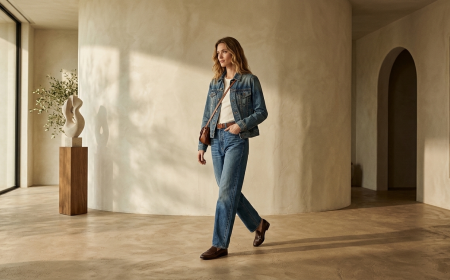
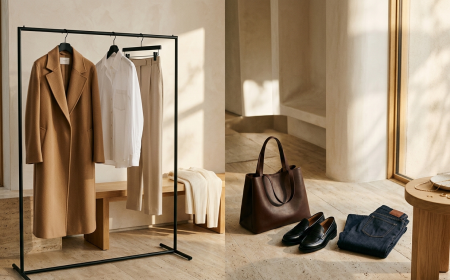
A successful secondhand wardrobe combines pieces you genuinely want to wear. A vintage designer jacket can work with modern denim, affordable knitwear, and contemporary shoes. An unusual archival accessory can add character without requiring every item in your outfit to be a luxury label.
Before buying, ask: Does it fit? Can I style it with clothes I own? Is the total cost reasonable for its condition and usefulness?
Secondhand shopping can extend the life of existing garments, but its environmental benefits depend on factors such as what you buy, how often you wear it and whether it replaces new purchases. The goal is curation, not accumulation.
Explore fashionwalt’s How to Build a 2026 Capsule Wardrobe on a Budget and Quiet Luxury vs. Maximalism: Where the Pendulum Sits Now for more inspiration on styling, aesthetics, and designer eras.
The Bottom Line
Learning how to thrift designer clothes is less about luck than having a repeatable method: search, verify, compare, inspect, and calculate the total cost before deciding. Researching designer eras and construction details can reveal listings that generic searches miss, while careful checks help prevent costly mistakes.
The best designer thrift finds are authentic, wearable pieces in acceptable conditions that suit your style and budget. Know what you want, stay curious, and walk away when the evidence or the price does not add up.
FAQs - Thrifting Guide

Fashion and culture writer with a keen eye for red-carpet style, celebrity dressing, beauty, and the intersection of fashion and film. Their work explores the ideas and stories behind the looks, from emerging trends and archival fashion to the evolving language of modern celebrity style.