Skincare-First Makeup Routine: A Step-By-Step Guide
Sometimes the foundation is not the foundation. The skin underneath simply has not been properly prepared for it.
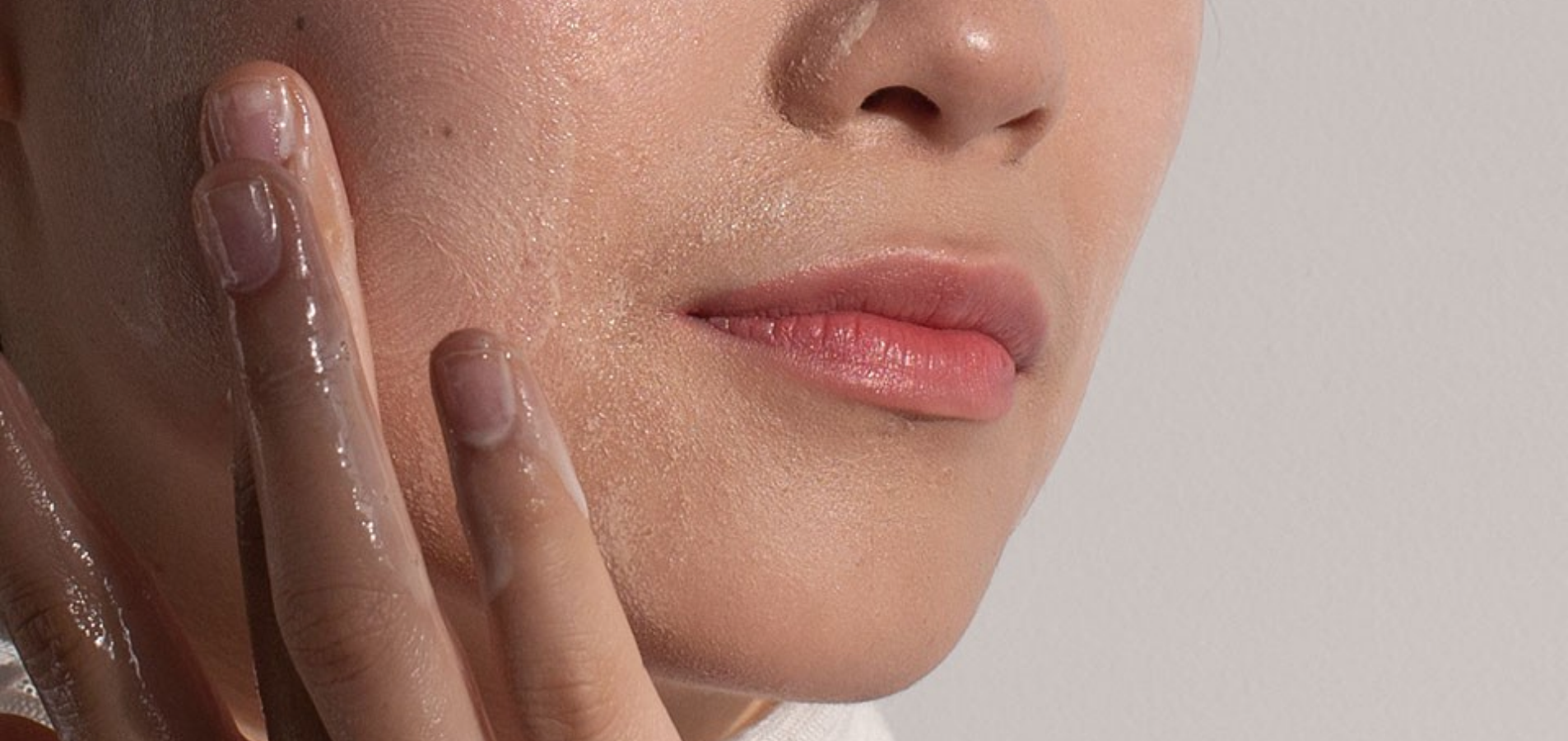
Dryness, flaking, excess oil, texture, and pilling can all show up under makeup. Adding more foundations seldom solves the problem. The aim is not to strip the skin, but to create a comfortable surface that is properly hydrated so that makeup can sit naturally.
That is the idea behind a skincare-first makeup routine: use the skincare your skin needs, layer products thoughtfully and build makeup gradually.
What Does “Skincare-First Makeup” Actually Mean?
A skincare-first makeup routine puts basic skin preparation before cosmetics: cleansing, appropriate treatment if needed, moisturizer and daytime sunscreen, followed by makeup. This follows the American Academy of Dermatology’s recommended skincare order.
It does not mean using ten products before foundation, adding active ingredients unnecessarily or assuming everyone needs the same routine. The philosophy is simple: prep, simplify, layer.
The Correct Order briefly
Cleanse → Treatment, if needed → Moisturizer → Sunscreen → Let products settle → Primer if needed → Skin tint/foundation → Concealer → Cream color → Targeted powder → Brows/eyes/lashes → Lips → Setting
Not every step is necessary every day.
Step 1: Start With Clean Skin
What to do
Use a gentle cleanser suited to your skin and pat the face dry instead of rubbing aggressively.
Why it matters.
The AAD recommends applying skincare in a purposeful order: cleanse first, apply any treatment, then moisturizer and/or sunscreen, followed by makeup.
Key point
You do not need to double cleanse in the morning. Find a cleansing routine that works for your skin and the products you are already using.
Step 2: Add Treatment Only If Your Routine Calls for It.
What to do
Use a familiar serum or dermatologist-recommended treatment.
Key point
Do not introduce a new active just for makeup. Simplify your routine if products cause irritation or pilling.
Step 3: Hydrate Your Skin
| Skin type | What to do |
| Dry | Apply enough moisturizer to keep skin comfortable. |
| Oily | Choose a lightweight texture if preferred. |
| Combination | Adjust the amount by area. |
| Normal | Use enough to prevent tightness without excess buildup. |
Step 4: Apply Sunscreen
What to do
Use water-resistant broad-spectrum SPF 30 or higher as directed on the product.
Key point
Allow sunscreen to settle before makeup. Do not reduce the recommended amount or rely on makeup SPF as a replacement for dedicated sunscreen.
Step 5: Let Your Skincare Absorb
There is no fixed time between skincare and makeup. Let products sit until skin no longer feels overly wet or slippery.
If your skincare pills
Try:
- Using less product
- Simplifying layers
- Allowing more time for products to settle
- Pressing rather than rubbing
- Checking formula compatibility
Professional makeup artists also recommend light layers and allowing products to absorb to reduce buildup and compatibility problems.
Step 6: Decide Whether You Actually Need Primer
Use primer when:
- You want extra grip.
- You need targeted oil control.
- You want additional smoothing.
- Makeup moves in a particular area.
Skip or minimize it when:
Your skincare already creates a comfortable surface, and makeup applies well without it.
Key point
Primers should solve a problem, not create another layer by default.
Steps 7-14: Apply Makeup.
- Pick a light base, pick a skin tint or foundation for the desired degree of coverage.
- Apply base: apply lightly, and work it over your face, from the middle outwards, and build up to your desired coverage.
- Apply Concealer: dab on spots you want to cover up.
- Blush and optional bronzer: build up layers until you get to your desired flushed color.
- Powder: Simply powder the oily or creased parts of your face, rather than the whole face.
- Finish brows, eyes, and lashes: Shape your brows and apply shadow, liner, or mascara, as you wish.
- Finish with the lips: Choose between a balm, tint, lipstick, or gloss.
- Set, if desired: Finish the look with a setting spray if you wish, and do not flatten the natural look of the skin.
Commons Mistakes to Avoid:
- Applying too many skincare products in a single go.
- Rushing sunscreen application.
- Applying unnecessary primer.
- Applying too much foundation or concealer at once.
- Powdering your entire face religiously.
- Thinking that every step of your makeup routine is necessary.
The Skincare-First Routine by Skin Type
| Skin Type | Skincare-First Prep | Makeup Approach |
| Dry | Focus on comfortable hydration without heavy layers | Use a hydrating, lightweight base and avoid excessive powder |
| Oily | Use lightweight moisturizer; do not over-strip the skin | Choose a long-wear base and use primer or powder only where needed |
| Combination | Adjust hydration depending on the area of the face | Use targeted powder on oily areas while keeping drier areas lighter |
| Normal | Keep skincare simple with enough hydration and SPF | Choose your base and finish according to your preference |
| Sensitive / Reactive | Stick to a simple, familiar skincare routine | Avoid introducing multiple new products immediately before makeup |
These are general preparation approaches, not medical recommendations.
What to Do When Makeup Starts Pilling
Reasons
- Too many skincare layers
- Too many products
- Not enough time for products to settle.
- Incompatible formulas
- Excess rubbing
Fix
Simplify, use less, allow layers to settle and press rather than aggressively rub. Evaluate products together before an important makeup day.
What to Do When Makeup Looks Dry
Do not immediately add more foundation.
Try:
- A moisturizer that leaves your skin comfortable before makeup
- A thinner base
- Cream rather than powder-heavy color.
- Coverage only where needed.
- Less powder
Key editorial point
Dry-looking makeup often gets worse when more makeup is layered over it.
What to Do When Makeup Looks Too Oily
If your makeup starts to look shiny a few hours after application, you do not have to redo your entire routine. There are a few specific tweaks that will help you to manage excess shine while keeping your skin comfortable.
-
Blot Excess Shine First
Pat oily spots, especially on the forehead, nose, and chin, with blotting paper or a clean tissue. Do not rub your skin, as this can disturb your makeup. Blotting removes excess oil without adding another layer of product.
-
Choose a Lightweight Moisturizer
Oily skin still needs moisture, so choose a lightweight moisturizer that absorbs smoothly without leaving a greasy residue. Skipping moisturizer can leave your skin feeling uncomfortably tight and make your makeup look uneven or flat.
-
Apply Primer Only Where Needed
If you tend to get shiny in your T-zone, apply an oil-control primer only to those areas. This helps control shine without applying unnecessary product to the rest of your face.
-
Use a Thinner Foundation Layer
Applying too much foundation can make your makeup look cakey and emphasize skin texture throughout the day. Start with a small amount of foundation and build coverage as needed. Allow your skincare products to absorb fully before applying foundation to help prevent pilling.
-
Set Oily Areas With Powder Selectively
Apply powder to areas where oil tends to appear, such as the forehead, nose, and chin. Avoid repeatedly layering powder over oily areas, as this can make your makeup look heavy and cakey. Blot away excess oil first, then apply a light layer of powder if needed.
-
Avoid Stripping Your Skin to Control Shine
Harsh cleansing, over-exfoliation, and skipping moisturizer can disrupt your skin barrier, leaving your skin dry or irritated. Stick to a balanced skincare routine and adjust your makeup products to suit your skin's changing needs.
The 10-Minute Skincare-First Makeup Routine
A quick makeup routine works best when your skin is prepared before you start applying makeup. So instead of trying to fit in skincare and sunscreen in the same 10 minutes, finish your skincare and let each product absorb properly according to the directions. Then spend another 10 minutes on your makeup. Think of the timing below as a guideline at best.
Before Makeup: Prepare Your Skin
Step 1: Cleanse
Gently cleanse your face if needed and pat dry. If you have already cleansed your skin, you can skip this step.
Step 2: Apply Your Usual Skincare
Use a familiar serum or treatment if it is already part of your routine. Follow an appropriate moisturizer and allow the products to settle according to their directions.
Step 3: Apply Sunscreen
Apply a broad-spectrum, water-resistant sunscreen with SPF 30 or higher, following the product directions. Use the recommended amount and allow it to settle before applying makeup. Never reduce the amount or rush sunscreen application to save time.
Makeup Application: Around 10 Minutes
Minute 1: Apply Primer (optional)
Use primer where you need extra grip, smoothing or oil control. Skip it if your skincare provides a suitable base.
Minute 2-4: Apply Your Base
Use a skin tint or foundation based on your desired coverage. Blend from the center of your face outward, adding product only where needed.
Minute 5: Apply Concealer
Conceal areas that need additional coverage, blending the edges into your base for a natural finish.
Minute 6: Apply Cream Blush
Blend cream blush onto your cheeks for a natural-looking flush.
Minute 7: Finish Your Brows
Brush your eyebrows into place and add definition where desired.
Minute 8: Apply Mascara
Apply mascara to your upper lashes, adding another coat if needed.
Minute 9: Finish Your Lips
Apply your preferred lip product, whether that is a tinted balm, lipstick, or gloss.
Minute 10: Apply Powder Where Needed
To set areas that need it or to absorb oil, lightly powder those spots. Like your T-zone. Just do not overdo it.
The 10-minute timetable is your guideline for applying make-up, not a race. Do your skin care and sun protection first and let those products absorb into your skin according to the directions. Then spend more or less time on each beauty step, depending on how much coverage you want and need.
The Minimal Version: Five Steps
For readers who do not want a long routine:
Cleanse → Moisturize → SPF → Lightweight base → Targeted color/concealer.
A skincare-first approach does not require a shelf full of products.
Common Skincare-First Makeup Mistakes
Using too many skincare products
More layers do not always mean better preparation.
Skipping on sunscreen during the day
Keep dedicated sun protection in your morning routine.
Applying a thick base everywhere
Let your desired coverage guide your application.
Treating primer as compulsory
Use it only when it serves a purpose.
Powdering the entire face automatically
Focus on the areas that need setting.
Trying a brand-new skincare activity right before an important event
Avoid experimenting with unfamiliar products on event day.
Buying skincare-infused makeup for the skincare claims alone.
Prioritize cosmetic performance over marketing promises.
How to Make the Routine Feel Like 2026
Think soft-focus, not uniformly matte.
The 2026 complexion conversation embraces natural-looking skin, softly blurred finishes, and controlled shine rather than a uniformly matte, heavily covered base. The emphasis is on complexion that looks polished without appearing overly perfected.
Let your own style be your guide.
One way to approach the trend is to go for light and airy, skin-like makeup, but that is not set in stone. Some people may want to go for minimal coverage while others may want something more contoured and full. The whole point is to tailor the makeup to your preferences and not adhere to a certain beauty standard.
Subtle balance and expressive beauty
The bigger 2026 beauty conversation can be both subtle sophistication and bolder statements. Creamy textures and understated complexion can be right next to statement lip, colorful eyes, and more experimental details. This dance between subtler and dramatic beauty is a microcosm of the larger shift in fashion and beauty between quiet luxury and maximalism.
Here is the takeaway: Skin-first makeup is not about creating minimal or makeup-free looks– it is about creating a comfortable canvas for self-expression.Final
Takeaway
Good makeup always begins with excellent skincare. To achieve this, one must minimize the skin care routine, use moisturizing cream and sunscreens regularly, and allow the cream to absorb into the skin fully.
In addition, one should apply the makeup in thin layers, add more coverage where needed, and use powder to set the look.
Whether you choose to go natural or heavy, your makeup should complement your skin type and be comfortable for you.
FAQs - Skincare-First Makeup Routine: A Step-By-Step Guide

Fashion and culture writer with a keen eye for red-carpet style, celebrity dressing, beauty, and the intersection of fashion and film. Their work explores the ideas and stories behind the looks, from emerging trends and archival fashion to the evolving language of modern celebrity style.