How To Accessorize A Plain Outfit: 5 Easy Techniques
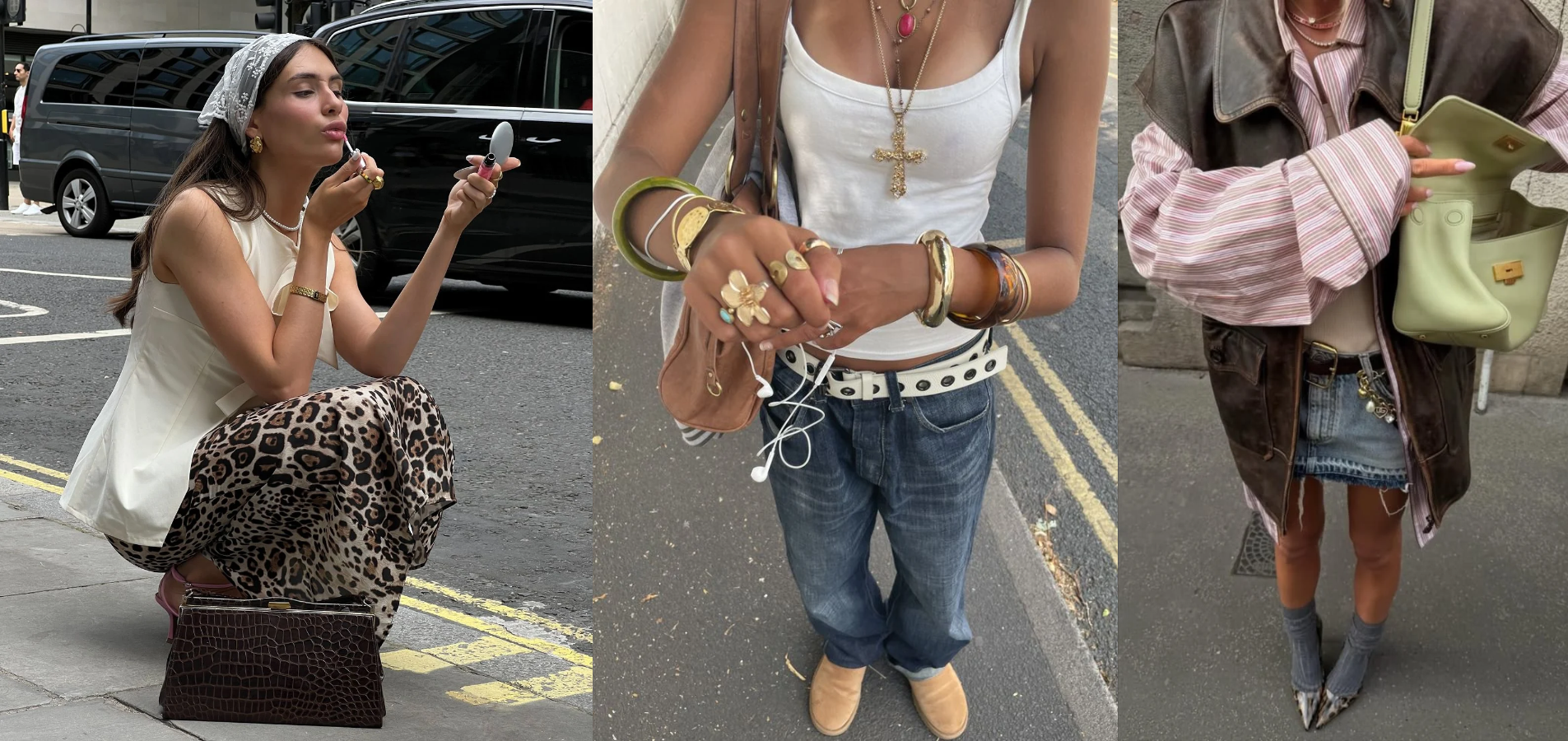
A white T-shirt and jeans can be a great outfit, but sometimes the combination feels like it needs one final change. A printed scarf, a distinctive belt, a favorite necklace, or a structured bag can change its overall appearance without requiring a new set of clothes.
Learning how to accessorize a plain outfit is less about collecting more accessories and more about understanding how to use the ones you already own. A slight change in color, texture, shape, or proportion can make familiar basics feel more personal.
This approach also works with a simple black dress, a neutral knit, a button-down shirt, or tailored trousers. You can keep the look minimal, add a detailed statement or experiment with several accessories that complement one another.
Here are five practical techniques to help you style everyday basics for casual outings, work, dinners, and other occasions.
Choose One Focal Accessory
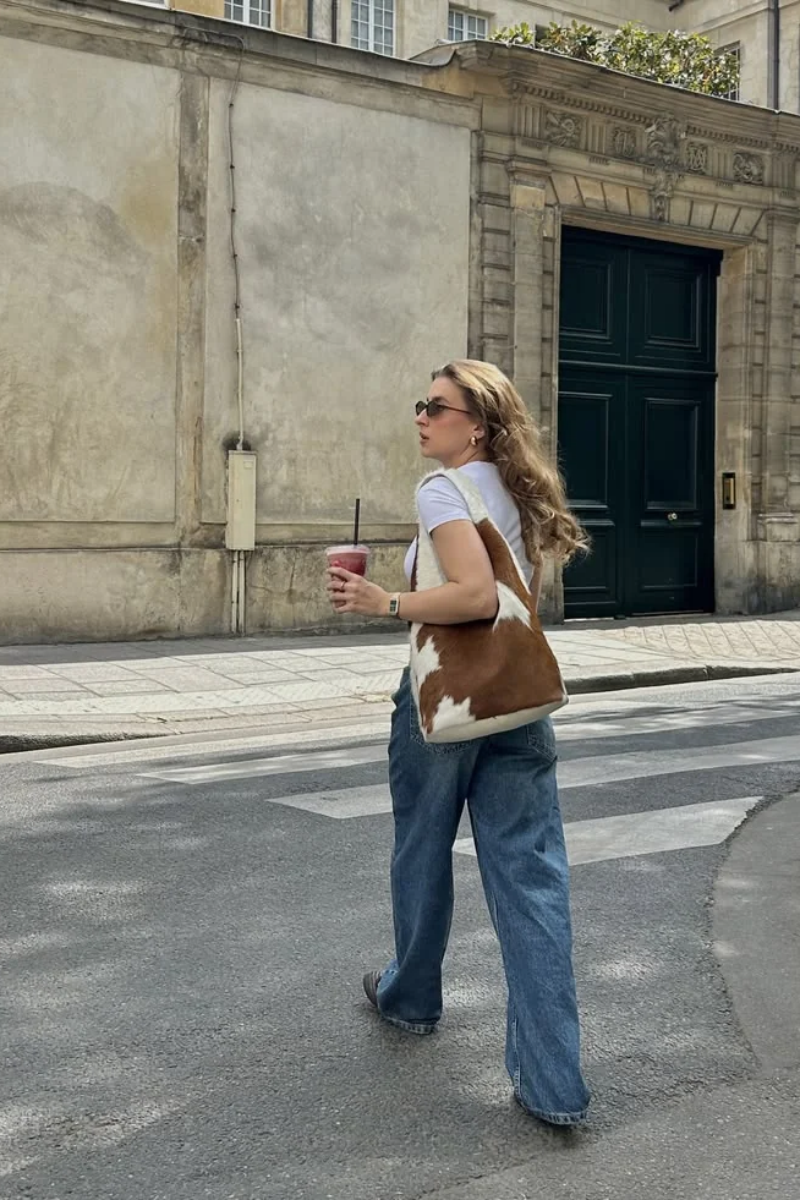
One of the easiest ways to make a simple outfit more interesting is to give it a clear focal point. This is the accessory you want people to notice first, whether it is a pair of statement earrings, an expressive necklace, a distinctive bag, or a decorative brooch.
Start with an uncomplicated outfit, such as a white T-shirt, straight-leg jeans, and simple flats. Add sculptural earrings or a colorful bag, then keep the remaining accessories understated. The clothing provides a simple background, allowing the selected details to stand out.
A plain black dress offers another opportunity. A floral brooch, an eye-catching necklace or a pair of distinctive sunglasses can introduce personality without changing the dress itself.
Vogue’s Fall 2026 accessory trend report highlights expressive brooches, statement hats, distinctive sunglasses, and charm necklaces as ways to bring character to an outfit. These are useful sources of inspiration, but you do not need to purchase a trend-led accessory to apply the technique.
Try this outfit formula: white T-shirt + straight-leg jeans + statement earrings + simple bag.
Styling tip: consider your neckline, the occasion, and the scale of each accessory. One focal point is a helpful starting place, not a strict rule. If you enjoy maximalist styling, several expressive pieces can work together when they share a color, material, or theme.
Add Color, Pattern or Texture with a Scarf
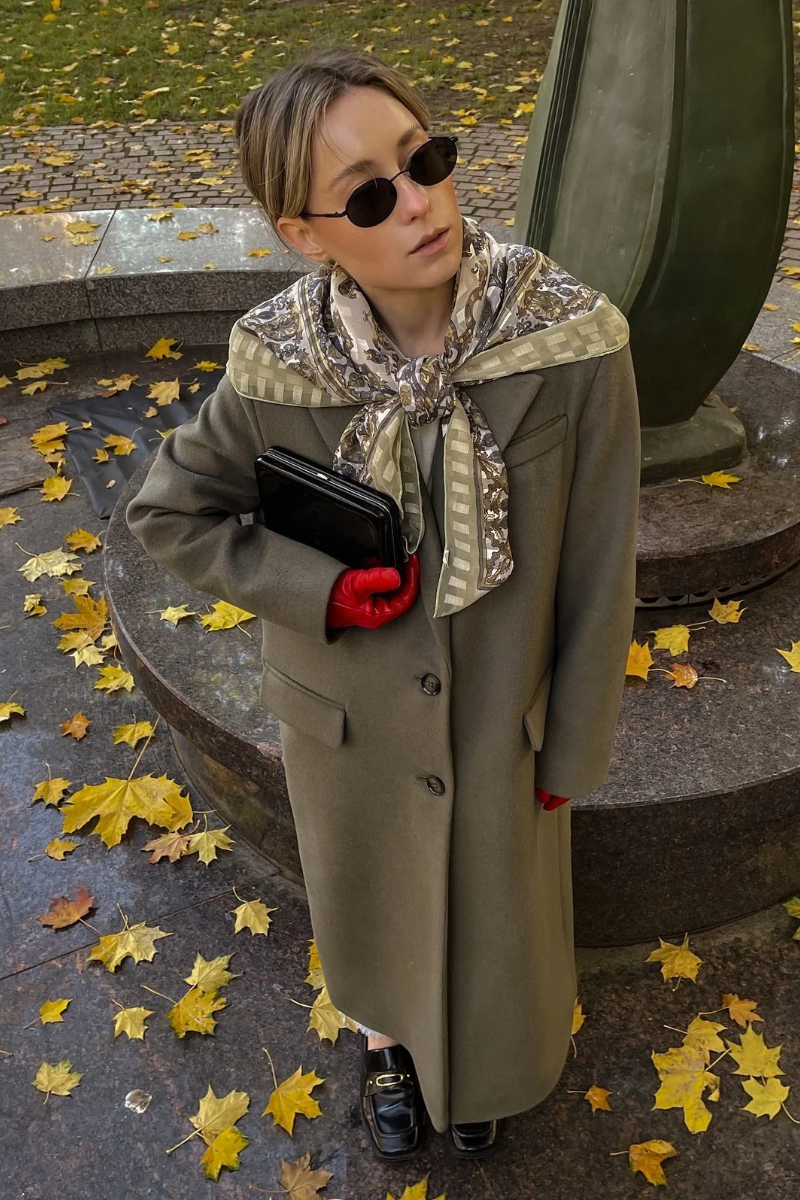
A scarf can transform into a familiar outfit because it introduces color, pattern, and texture without requiring you to change the main clothing pieces. It is also versatile enough to work in several positions.
Here are five ways to style a scarf:
- Around the neck: tie a small, printed scarf with a T-shirt, shirt, or lightweight knit.
- Over the shoulders: drape a larger scarf over a simple top, blazer, or coat.
- As a belt: thread a suitable long scarf through belt loops or tie it around the waist of a dress.
- On handbag: wrap or tie a small scarf around the handle.
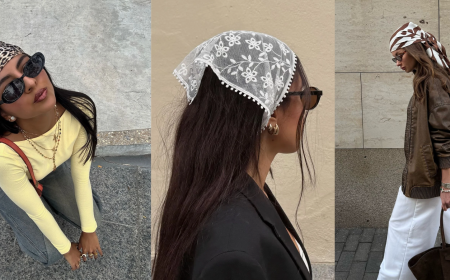
- In the hair: use a scarf as a headband or tie it around a ponytail.
The key is choosing a scarf that complements the outfit rather than competing with it. If you are wearing neutral clothing, a colorful print can provide contrast. If your outfit already contains a pattern, choose a scarf that repeats one of its colors or uses a simpler design.
For example, a navy knit with cream trousers and brown flats can look more distinctive with a printed silk scarf. In cooler weather, a larger textured scarf can add interest to a plain coat.
For more step-by-step inspiration, explore Fashionwalt's guide to How to Tie a Scarf 10 Different Ways.
Try this outfit formula: plain navy knit + cream trousers + printed scarf + brown flats.
Styling tip: match one color from your scarf to another element of your outfit for a coordinated effect. You do not need to match every accessory exactly.
Use a Belt to Change the Silhouette
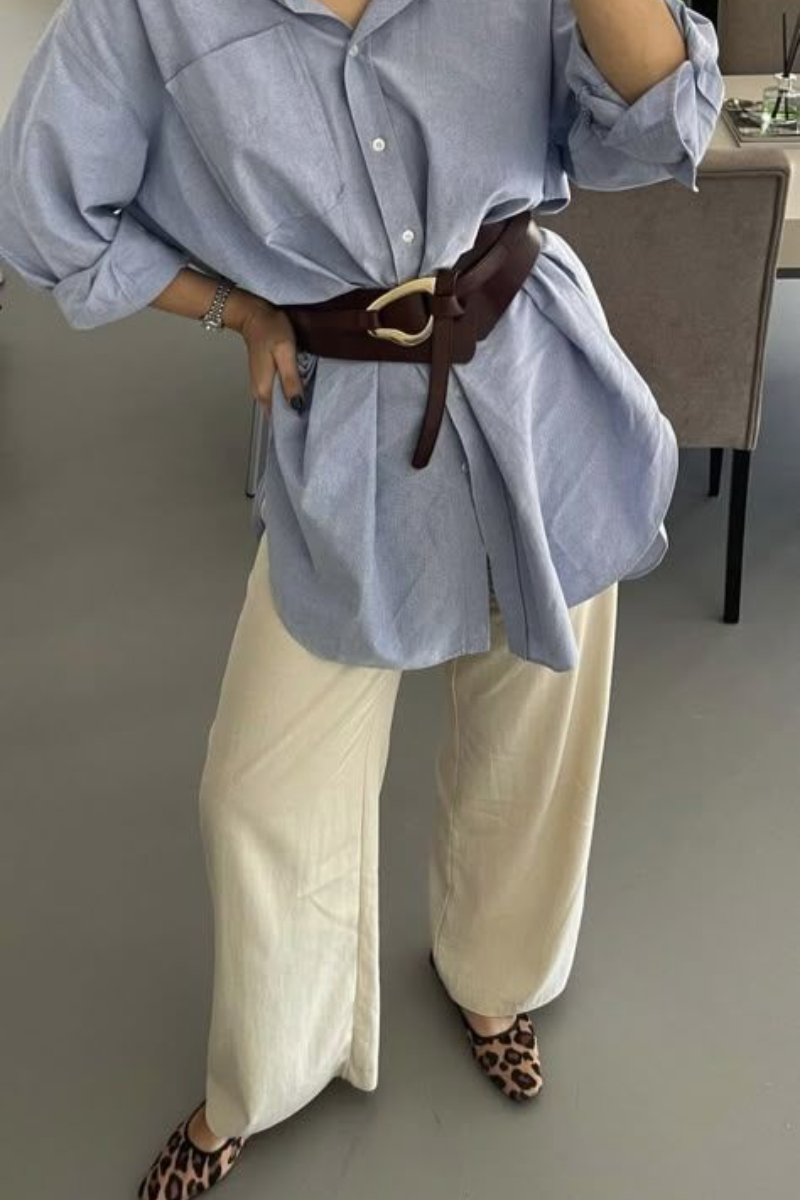
A belt can do more than hold up your trousers. Its width, buckle, color, and placement can change the visual balance of an outfit, add contrast, or introduce a decorative detail.
With jeans, a leather belt can create a finished look when paired with a plain shirt. A distinctive buckle can become the focal point, while a simple belt can quietly connect your shoes and bag to the rest of your outfit.
Belts can work with dresses, blazers and tailored trousers, provided the garment’s shape and construction suit the styling.
With jeans: pair a striped shirt with dark denim, a brown belt, and loafers. The belt introduces a defined detail without overwhelming the outfit.
With a dress: add a belt if it complements the dress’s cut and feels comfortable. It can create a more defined waist or change the proportions of a relaxed silhouette.
With a blazer: a belt worn over a suitable blazer can create a different shape and make familiar tailoring feel more expressive.
With tailored trousers: choose a belt that complements the waistband and overall outfit. Your shoes, bag and belt can coordinate without being identical.
Decorative and western-inspired buckles have featured in Fall 2026 accessory coverage, including Vogue’s report on statement belts and other expressive finishing pieces.
Try this outfit formula: striped shirt + dark jeans + statement-buckle belt + loafers.
Styling tip: do not force a belt onto every outfit. Some dresses and relaxed silhouettes look better without one, and comfort should always come first.
Change the Mood with Shoes and a Bag
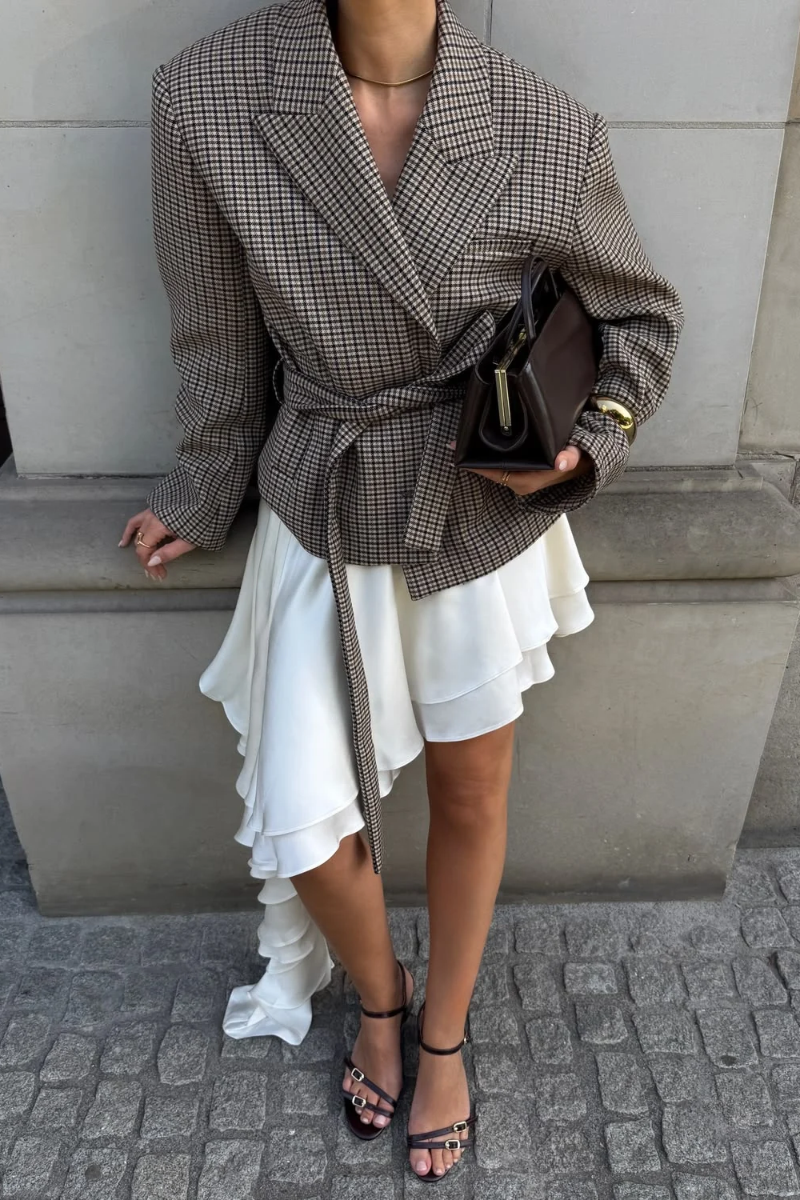
Shoes and bags can influence whether an outfit feels casual, polished, or dressy. The same T-shirt and trousers can work for different settings simply by changing the footwear and bag.
Choose shoes for the occasion.
- Clean sneakers: keep an outfit relaxed and practical.
- Loafers: add structure to jeans, trousers, and simple dresses.
- Ballet flats: offer an understated finish for everyday outfits.
- Pointed-toe flats or slingbacks: create a more refined look without requiring heels.
- Heels: can make an outfit feel dressier when they suit the occasion and your comfort needs.
- Statement shoes: introduce a distinctive color, texture or shape while allowing the rest of the outfit to remain simple.
Heels are not necessary for a polished outfit. Well-maintained flats or sneakers can work just as effectively when they complement the clothing and setting.
Use your bag to add contrast.
A structured bag can give relaxed clothing a more polished appearance, while a soft tote or slouchy shoulder bag can reinforce a casual mood.
Try a structured shoulder bag with knit and straight-leg trousers, a colorful bag with monochrome clothing, or a small evening bag with a simple dress. A textured bag can also add visual interest when the rest of the outfit is understated.
Fashion coverage of Fall 2026 includes both structured and relaxed bag shapes, reinforcing the idea that accessories can change the overall feel of an outfit.
Try this formula: plain knit + straight-leg trousers + loafers + structured shoulder bag.
Styling tip: choose shoes and a bag that support the look you want. Matching them exactly is optional; coordinating their tone, texture or level of formality is often enough.
Layer Jewelry and Small Details with Intention
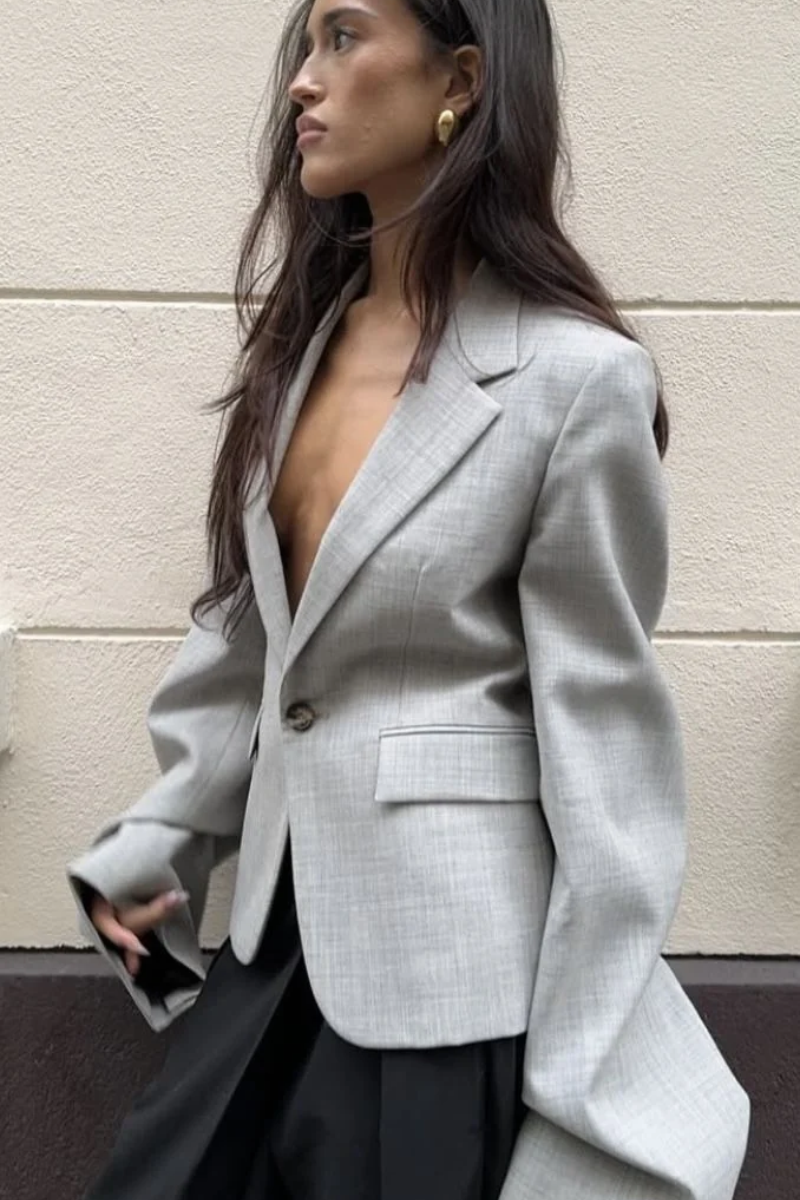
Jewelry, sunglasses, watches, and hair accessories can add personality to a plain outfit. The challenge is choosing combinations that feel deliberate rather than adding every available accessory at once.
Start with jewelry.
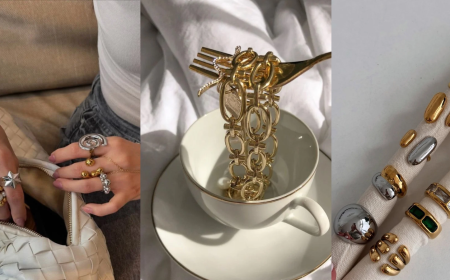
If you prefer simple styling, begin with one necklace that works with your neckline. A pendant can complement a plain crewneck, while a shorter chain may sit neatly with an open shirt.
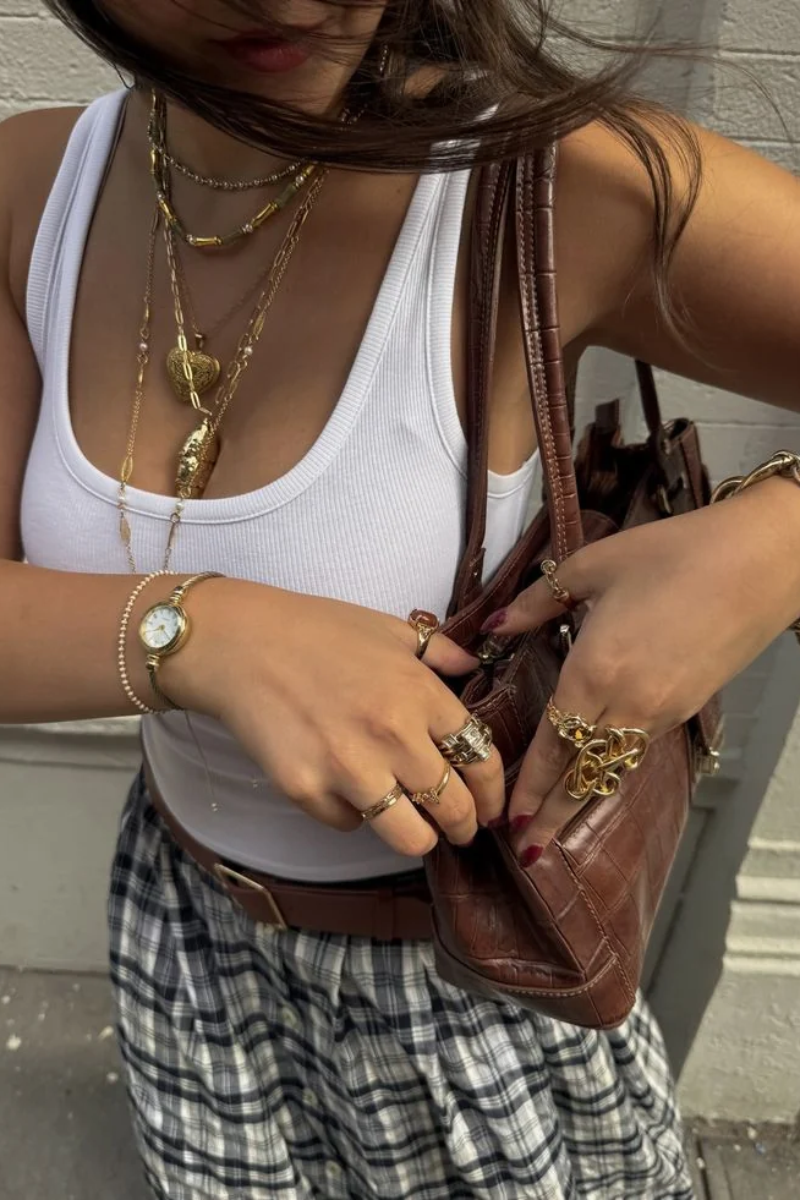
For a more layered look, combine necklaces of different lengths so their shapes remain visible. You can also pair statement earrings with a simple bracelet or a few rings.
If you want to refresh your everyday accessories without overspending, explore our guide to the Best Affordable Jewelry Brands for Everyday Wear for ideas on finding versatile pieces that suit your personal style.
For example, a plain black top and dark jeans can feel more considered with two necklaces of different lengths, small hoop earrings, and a simple bag.
There is no universal rule about how many jewelry pieces you should wear. Minimalist styling may require only a watch or a pair of earrings, while maximalist outfits can incorporate several expressive pieces.
Do not overlook smaller accessories.
Brooches, hair clips, headbands, and sunglasses can be useful for final changes.
- Pin a brooch to a suitable blazer, cardigan, or coat.
- Add a hair clip or headband to introduce color near your face.
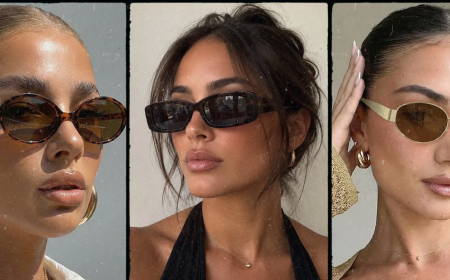
- Choose sunglasses that complement the outfit and provide appropriate UV protection.
- Wear a watch or bracelet when you want detail without adding a necklace.
If you are choosing sunglasses to complement your features, our guide to the Best Sunglasses for Round Face Shapes can help you explore different frame styles and proportions.
Brooches, charm necklaces, and wraparound sunglasses are among the accessory styles featured in Fall 2026 fashion coverage. You can adapt these ideas using pieces you already own instead of treating each trend as a shopping requirement.
Try this outfit formula: plain black top + dark jeans + layered necklaces + small hoop earrings.
Styling tip: if your earrings are large or your necklace is particularly bold, let that piece lead. Add supporting details only when they improve the overall combination.
How to Combine the Five Techniques
You can use the techniques individually or combine them to suit your personal style. If you are unsure where to start, try these outfit formulas.
| Plain outfit | Accessories to try | Overall effect |
| White T-shirt and jeans | Belt, statement earrings and loafers | Polished everyday |
| Black knit dress | Printed scarf and structured bag | Colorful and composed |
| White shirt and tailored trousers | Belt, simple necklace and flats | smart-casual |
| Neutral knit and dark trousers | Colorful bag and small jewelry | Subtle contrast |
| Plain top and midi skirt | Statement earrings and refined shoes | Dressier evening look |
How Many Accessories Should You Wear?
There is no ideal number of accessories for every outfit. The right amount depends on your personal style, the occasion, and the overall effect you want to create.
If you prefer a simple look, start with one statement piece and add supporting details only when they complement the outfit. If you enjoy maximalist styling, combine several expressive accessories through a shared color, material, or theme.
Before leaving home, assess the complete look. If it feels balanced and comfortable, you do not need to add anything else.
Common Accessorizing Mistakes to Avoid
Adding accessories without a plan: decide whether your outfit needs color, texture, shape, or a focal point.
Matching everything too literally: shoes, belts and bags can complement one another without being identical.
Ignoring the neckline: choose necklaces that work with the shape of your top.
Overlooking proportions: balance oversized accessories when needed to keep the overall look cohesive.
Buying before checking your wardrobe: experiment with pieces you already own. Our guide to How to Build a 2026 Capsule Wardrobe on a Budget offers more ideas for creating versatile outfits.
Following trends without considering personal style: choose accessories that suit your preferences, lifestyle, and the occasion.
Conclusion: Start With One Change
Learning how to accessorize a plain outfit does not require an enormous collection of accessories or an entirely new wardrobe. A scarf can introduce color, a belt can change the silhouette, shoes and bags can shift the outfit’s mood, and jewelry can add a personal final change.
The aim is not to make every outfit more elaborate. It is to discover how small, deliberate choices can help familiar clothes feel fresh, versatile, and uniquely yours.
FAQs - How To Accessorize A Plain Outfit
Fashion and culture writer with a keen eye for red-carpet style, celebrity dressing, beauty, and the intersection of fashion and film. Their work explores the ideas and stories behind the looks, from emerging trends and archival fashion to the evolving language of modern celebrity style.