10 Pieces That Carry You Through Winter
Winter dressing asks more of a wardrobe than simply keeping you warm. The best pieces need to work indoors and outdoors, move between work and weekends, and make sense for everything from travel days to dinner plans.
That is why building a useful winter wardrobe is less about buying increasingly about choosing pieces that can do several jobs.
A practical winter wardrobe essentials framework can be built around 10 versatile categories: a strong coat, a fine-gauge turtleneck, a dependable knit, dark denim, tailored trousers, winter boots, a structured blazer, a skirt or dress, a substantial scarf and one piece that brings personality to the mix.
These are not the only clothes anyone needs for winter. Your wardrobe will depend on your climate, lifestyle, budget, and personal style. Instead, think of these as 10 high-value foundations that can be mixed, layered, and restyled throughout the season.
And that approach feels particularly relevant for winter 2026. Current runway coverage has emphasized practical outerwear, layered separates and the idea of styling familiar wardrobe staples in new ways. Vogue’s Fall 2026 trend report described designers as taking a more pragmatic, problem-solving approach to dressing, with coats and layered separates particularly prominent.
The goal, then, is simple: buy fewer pieces that work harder.
The Great Winter Coat
If there is one category worth getting right first, it is the coat.
A good winter coat must do more than look good on the hanger. It is the layer people see most often, and it needs to accommodate whatever is underneath it.
For a colder climate, which could mean a long wool coat, tailored overcoat, shearling style, or insulated coat. In a milder winter, a lighter wool or structured coat may be enough.
Fall 2026 runway coverage makes outerwear an especially relevant starting point. Vogue reported a strong emphasis on substantial coats, including shearling and large face-framing collars, while Altuzarra’s Fall 2026 collection put leather, shearling, and generous peacoats at the center of its cold-weather styling.
What to look for
- A length that works with your everyday wardrobe
- Enough room for layers
- A color that coordinates easily
- A closure that is genuinely practical
- Construction and fabric appropriate for your climate
Try it with a knit and trousers, jeans and boots, or a dress and tall boots. A strong coat can even make an amazingly simple outfit look intentional.
A Fine-Gauge Turtleneck
Think of the turtleneck as a layering tool, not simply another sweater.
A thin knit can sit underneath a blazer, coat, or cardigan without creating excessive bulk. It can also add warmth beneath a dress or provide a clean base for a skirt-and-boots combination.
Black, cream, gray, chocolate, and navy are easy starting points, but there is no reason to avoid color if it fits your wardrobe.
The appeal of the fine-gauge version is versatility. It can disappear underneath other layers when you want a streamlined look or become the visible foundation of an outfit when worn alone.
For Winter 2026, that layering mindset fits the wider fashion direction. Vogue’s current Fall 2026 coverage highlights designers using familiar pieces, layered basics and careful styling to transform everyday wardrobe staples.
A Really Good Knit
The turtleneck and the everyday sweater should perform different jobs.
Your second knit can be chunkier, more relaxed, or more visually interesting. Think crewneck, V-neck, polo knit, oversized sweater or substantial cardigan.
Texture matters here. Cable, ribbing, brushed yarns, and other tactile finishes can make a straightforward outfit feel more interesting without requiring another complicated layer.
A versatile knit can become:
| Styling | Result |
| Knit + jeans | Everyday |
| Knit + tailored trousers | Polished |
| Knit + skirt | Feminine contrast |
| Knit over a shirt | Layered |
| Knit beneath a coat | Warm and structured |
Current Fall 2026 coverage also points toward knitwear being used as a part of the styling rather than treated as a standalone basic. Vogue’s pre-fall reporting highlighted layered and built-in knitwear as a styling device.
Dark Denim
Dark denim earns its place because it can move well beyond casual weekend dressing.
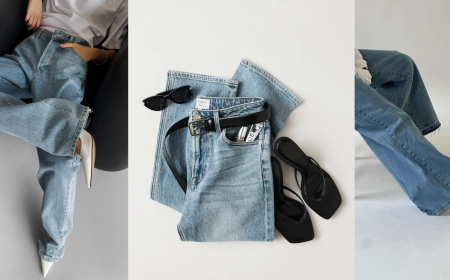
A dark indigo or black pair with a clean finish can work with boots, loafers or sneakers and can sit comfortably underneath everything from a blazer to a dramatic coat.
There is no universally correct denim silhouette. Straight, wide, relaxed or another cut can work, provided the fit suits your proportions and lifestyle.
The more useful question is not “Which jeans are currently trending?” but “Which jeans will I actually wear with the rest of my wardrobe?”
That matters because Fall 2026 fashion is not simply about replacing basics with new trends. Current coverage has repeatedly emphasized familiar wardrobe pieces being reinterpreted through proportion, layering, and styling.
Tailored Trousers
Tailored trousers prevent a winter wardrobe from becoming an endless rotation of denim and knitwear.
Choose the version that makes sense for you: black wool trousers, gray tailored trousers, brown trousers, pinstripes, pleated trousers, or a wide-leg silhouette are all possibilities.
Their real value is the change of mood they create.
Try:
Trousers + turtleneck + coat
For a streamlined cold-weather outfit.
Or:
Trousers + shirt + knit
For layered polish.
Or:
Trousers + blazer + boots
When you want something sharper.
The broader Fall 2026 emphasis on tailored separates makes this category particularly useful. Vogue has highlighted relaxed tailoring and versatile separates as part of the season’s more wearable direction.
Ankle or Knee-High Boots
Winter footwear needs to perform a practical job before it becomes a trend statement.
Ankle boots, Chelsea boots, riding boots, knee-high boots and other weather-appropriate styles can all work. The right choice depends on your climate, walking habits and existing wardrobe.
Prioritize:
- Comfort for walking you do
- A sole appropriate to local conditions
- Weather suitability
- Compatibility with trousers and skirts
- A color that works with multiple outfits
Current 2026 fashion coverage includes both ankle and taller boot silhouettes, but the important takeaway is not that everyone needs a particular height. Boots remain useful because they bridge practicality and styling.
A Structured Blazer
A blazer might not immediately sound like winter clothing, but it can be one of the most useful middle layers in the wardrobe.
Wear it under a larger coat. Pull it over a fine gauge knit. Pair it with denim. Wear them with tailored trousers. Layer it over a dress.
The key is fit.
If you intend to wear knitwear underneath, choose a blazer with enough ease through the shoulders and body that layering does not make it restrictive.
Black, charcoal, brown, navy, and gray are straightforward options, while deeper shades such as burgundy can provide more personality.
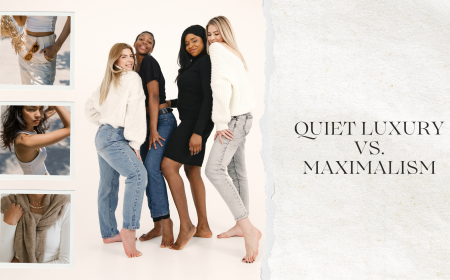
The blazer also gives structure to winter outfits that might otherwise become dominated by soft knits and oversized outerwear. That balance between refined structure and more expressive styling also connects with the quiet luxury vs. maximalism conversation, particularly when you want to understand how different approaches can shape the same winter wardrobe.
A Winter Skirt or Dress
A useful winter wardrobe should not become entirely trousers, jeans, and sweaters.
Choose one skirt or dress that gives you another silhouette.
That could mean a knit dress, wool midi skirt, pleated skirt, satin skirt, long column skirt, or another shape you genuinely enjoy wearing.
The important part is how easily it can be winterized.
Try:
Skirt + turtleneck + boots + coat
Or:
Dress + knit layer + tights + boots
The result is a wardrobe with more visual variety without requiring an entirely separate collection of clothing.
This also fits the current fashion landscape, where Fall 2026 collections have combined practical wardrobe foundations with more expressive silhouettes and styling.
A Serious Scarf
A scarf should be both functional and stylistic.
A wool or cashmere scarf can provide genuine warmth, while an oversized wrap, plaid pattern or saturated color can change the appearance of a familiar coat.
Wear it loosely draped, wrapped around the neck, tucked underneath your coat, or thrown over one shoulder.
Vogue’s reporting from Copenhagen highlighted scarves and scarf coats within the season’s cold-weather dressing, while its broader accessory report identified scarves and stoles as important ways of adding personality to outfits.
That makes the scarf especially useful in a capsule wardrobe: it can change the visual effect of an outfit without requiring another major garment.
One Personality Piece
Finally, leave room for something that is not purely practical.
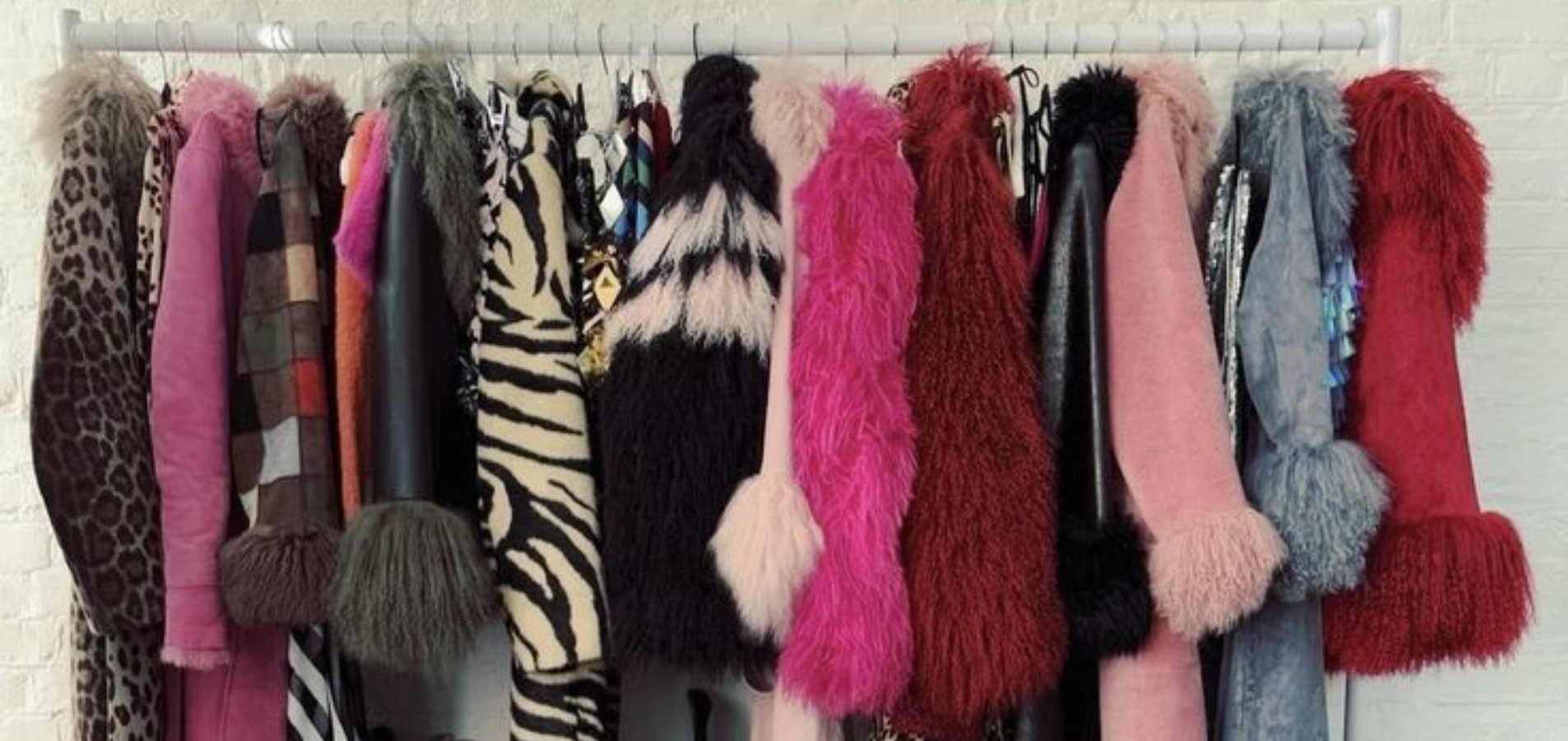
Your personality piece might be a statement bag, colorful coat, printed skirt, dramatic knit, distinctive shoes, interesting belt, or brooch.
There is no prescribed trend here.
The purpose is to make sure your winter wardrobe does not become a perfectly coordinated collection of sensible neutrals that feel nothing like you.
This idea is particularly compatible with the direction of Fall 2026 fashion. Current trend reporting emphasizes individuality and the power of styling familiar pieces in unexpected combinations rather than simply accumulating new clothes.
Think of it as: Nine practical pieces + one piece that makes the wardrobe personal.
The 10-Piece Winter Wardrobe briefly
| Piece | Primary Function |
| Winter coat | Warmth + outerwear |
| Fine-gauge turtleneck | Base layer |
| Versatile knit | Warmth + texture |
| Dark denim | Everyday foundation |
| Tailored trousers | Polished alternative |
| Winter boots | Practical footwear |
| Structured blazer | Layering + polish |
| Skirt or dress | Silhouette variation |
| Winter scarf | Warmth + styling |
| Personality piece | Individuality |
How to Turn 10 Pieces Into 20+ Outfit Combinations
The secret is not owning exactly 10 items. It is learning how to recombine them.
Start with a few formulas:
- Turtleneck + tailored trousers + blazer + boots: clean and polished for work or dinner.
- Knit + dark denim + coat + scarf: an easy everyday combination.
- Dress + turtleneck + boots + coat: A simple way to add warmth and create layers.
- Jeans + blazer + knit + boots: a balance between relaxed and tailored.
- Skirt + sweater + knee-high boots + coat: a colder-weather alternative to an all-trouser wardrobe.
- Trousers + shirt + knit + coat: layered without becoming overly bulky.
- Denim + statement knit + scarf + boots: a straightforward outfit with more personality.
- Dress + blazer + coat + boots: useful for days that move between indoor and outdoor settings.
Change just one element and the entire outfit can shift. Replace jeans with tailored trousers. Swap the blazer for a chunky cardigan. Change the scarf. Add the personality piece. Wear the coat open instead of closing.
That is where the real value of a winter capsule wardrobe comes from.
How to Build a Winter Wardrobe Without Buying Everything at Once
You do not need to acquire all 10 categories at the beginning of the season.
Start with the pieces that solve your biggest daily problems:
- Coat
- Boots
- Knitwear
- Everyday trousers or denim
- Base layer
Then add:
- Blazer
- Dress or skirt
- Scarf
- Personality piece
If your existing wardrobe already contains a good blazer or pair of jeans, skip buying another one.
A capsule wardrobe is not successful because it reaches an arbitrary number. It is successful because the clothes you own work together.
What Makes a Winter Piece Worth Buying
Before buying anything, ask:
- Can I wear it with at least three things I already own?
- Can I layer it comfortably?
- Is it warm enough for my actual climate?
- Will I reach for it repeatedly?
- Does the fit work for my lifestyle?
- Is it practical to care for?
- Does it solve a genuine wardrobe gap?
Be cautious about buying something simply because it is trending, looks perfect in one outfit or requires several additional purchases before you can wear it.
The strongest winter wardrobe is not necessarily the most fashionable one on paper. It is the one you can repeatedly get dressed from.
Winter Wardrobe Essentials by Climate
There is no single definition of winter.
| Climate | Adjustments |
| Mild winter | Lighter coats, fine knits, and ankle boots may be sufficient |
| Cold winter | Wool coats, heavier knitwear, boots, and additional layers |
| Wet winter | Water-resistant outerwear and practical footwear |
| Snowy winter | Insulated outerwear, weatherproof boots, and thermal layers |
| Very cold climate | Prioritize technical base layers and warmth over fashion alone |
This is why the 10 categories should be treated as adaptable foundations rather than universal prescriptions.
A person in a mild climate may use a fine knit as an outer layer. Someone in a snowy climate may need technical thermal layers underneath the same outfit.
What 2026 Winter Fashion Gets Right
The most useful thing about the Fall 2026 fashion conversation may be that practicality and personality are not being treated as opposites.
Vogue’s Fall 2026 trend analysis describes a season shaped by practical problem-solving, with substantial coats addressing cold-weather needs. Copenhagen’s Fall 2026 coverage similarly emphasized weatherproof dressing, shearling, scarves, knitwear, and accessories.
At the same time, the season is not prescribing one uniform aesthetic. Current 2026 fashion trends point toward stronger outerwear, texture, expressive color, layered separates, and unexpected styling. Vogue’s September 2026 trend coverage specifically highlights the continuing importance of scarves, brooches, and other personality-driven accessories.
That distinction matters.
You do not need to buy every trend to dress in a way that feels current. A well-cut coat, useful knit, good trousers, and boots can remain relevant while the styling around them changes.
The objective is not to predict what will be fashionable forever.
It is to build a wardrobe that still works when the trend cycle moves on.
The Bottom Line
A practical winter wardrobe does not need to be enormous.
It needs a strong foundation: a versatile coat, fine-gauge base layer, warm knit, dark denim, tailored trousers, winter boots, structured blazer, skirt or dress, scarf and one personal statement piece.
The real advantage comes from how those pieces interact.
A turtleneck changes beneath a blazer. Jeans become sharper with a coat. A scarf changes the mood of familiar outerwear. A skirt creates a different silhouette from trousers. A statement knit can make the same boots and denim feel completely new.
That is the point of building around winter wardrobe essentials: not owning fewer clothes for the sake of owning fewer clothes but choosing pieces that earn repeated wear.
Winter is long enough. Your wardrobe should be able to keep up.
FAQs - 10 PIECES THAT CARRY YOU THROUGH WINTER

Fashion and culture writer with a keen eye for red-carpet style, celebrity dressing, beauty, and the intersection of fashion and film. Their work explores the ideas and stories behind the looks, from emerging trends and archival fashion to the evolving language of modern celebrity style.