SASUPHI: The Italian Label the New York Times Is Watching


A sculptural wool coat worn by Meryl Streep as Miranda Priestly in the trailer for The Devil Wears Prada 2 brought attention to a Milanese label with a distinctive approach to modern dressing. Founded in 2021 by Sara Ferrero and Susanna Cucco, SA SU PHI combines tactile knitwear, refined tailoring, and sculptural silhouettes.
The brand’s story extends beyond its Hollywood connections. Its Spring/Summer 2026 debut runway show and Autumn/Winter 2026 collection, The Architecture of Femininity, reveal a design philosophy built around proportion, comfort, and expressive construction. Vogue profiled the founders and their design approach in February 2026, while a March 2026 article credited to The New York Times also highlighted the label in connection with the film.
SA SU PHI is a Milanese womenswear label founded by Sara Ferrero and Susanna Cucco in 2021. Its collections focus on knitwear, outerwear, tailoring, and ready-to-wear separates, with cashmere, silk, and carefully considered proportions central to its identity.
According to the official brand website, the label is knitwear-centred and outerwear-driven. Its pieces are designed to be interpreted by the women who wear them, combining practical wardrobe categories with distinctive shapes and details.
A sweater can become the focal point of an outfit, while a sculptural coat or tailored jacket can define its silhouette. This balance makes SA SU PHI more than a label for restrained luxury basics: its collections also explore vivid color, metallic finishes, and expressive volume.
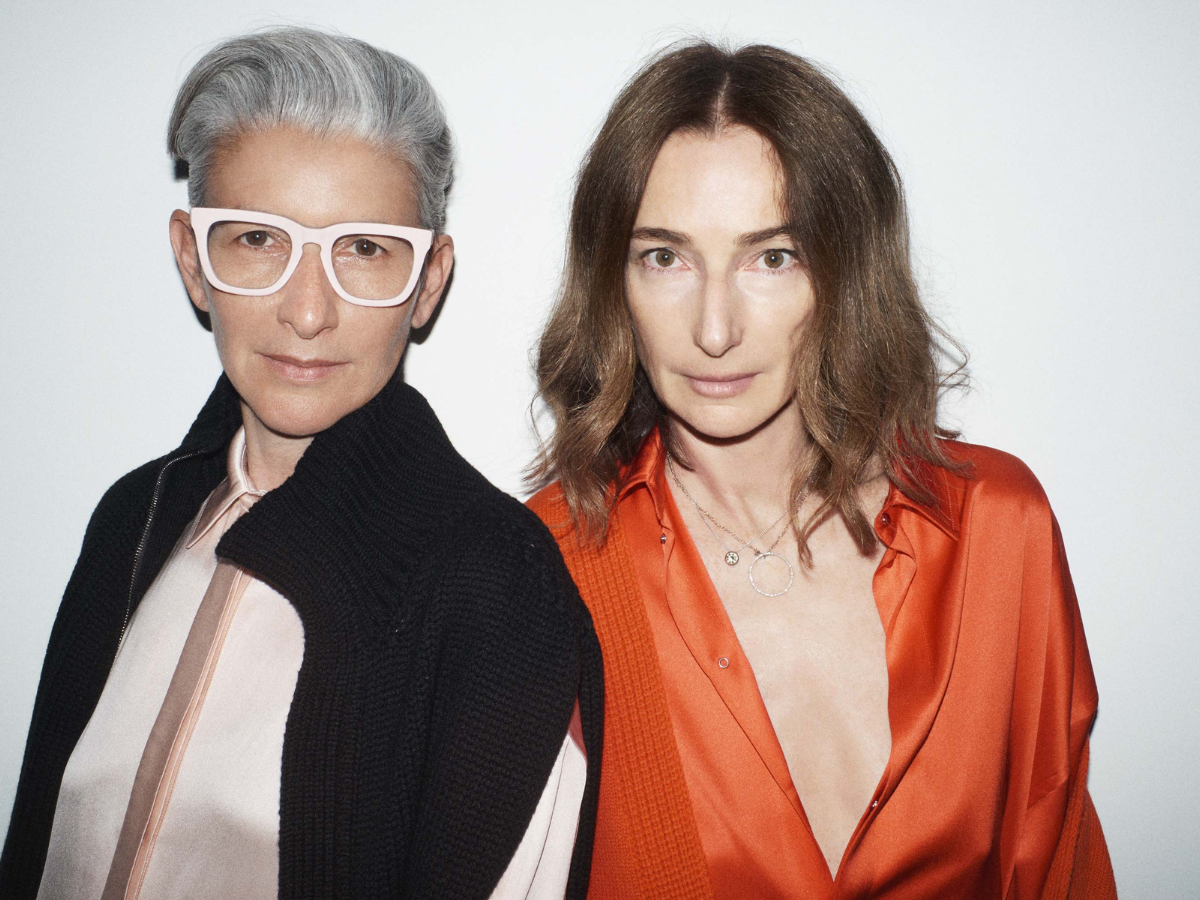
The founders bring complementary experience in luxury business and creative direction. Their diverse backgrounds help explain the brand’s combination of functional wardrobe design and expressive visual choices.
Sara Ferrero brings experience in finance and luxury fashion. According to Vogue’s February 2026 profile, her career included roles at Furla, Joseph and Valextra before she launched SA SU PHI with Cucco.
Her background provides context for the label’s emphasis on wardrobe function, material quality, and a clear product identity. The clothes make a visual statement without relying on spectacle alone.
Susanna Cucco brings extensive art direction experience through her creative agency, Cucco Studio. Vogue identifies her work with fashion houses including Prada, Max Mara, and Loro Piana.
That experience is relevant to a label whose identity depends on volume and proportion. A pronounced collar, elongated skirt or sharply shaped coat can transform an entire look, even when the color palette is restrained.
Ferrero and Cucco share the premise that women should not have to choose between comfort and authority. The idea appears in soft fabrics, adaptable separates and tailoring intended to balance definition with movement.
This is a design intention rather than a promise that every piece will suit every wearer or occasion. Its significance lies in how the founders connect clothing’s visual impact with the realities of everyday dressing.
The name brings together references to the founders and the idea of proportion. SA refers to Sara Ferrero, SU to Susanna Cucco, and PHI to the Greek symbol associated with the golden ratio.
The founders use the concept as a metaphor for balance and proportion, rather than evidence that every garment is mathematically constructed according to a formula. The name also evokes the French expression ça suffit, meaning ‘that’s enough,’ reflecting an interest in considered dressing rather than constant dependence on trends.
The brand explains these ideas on its official philosophy page. Together, they suggest a wardrobe that balances simplicity with expression and uses shape and materials to make individual pieces distinctive.
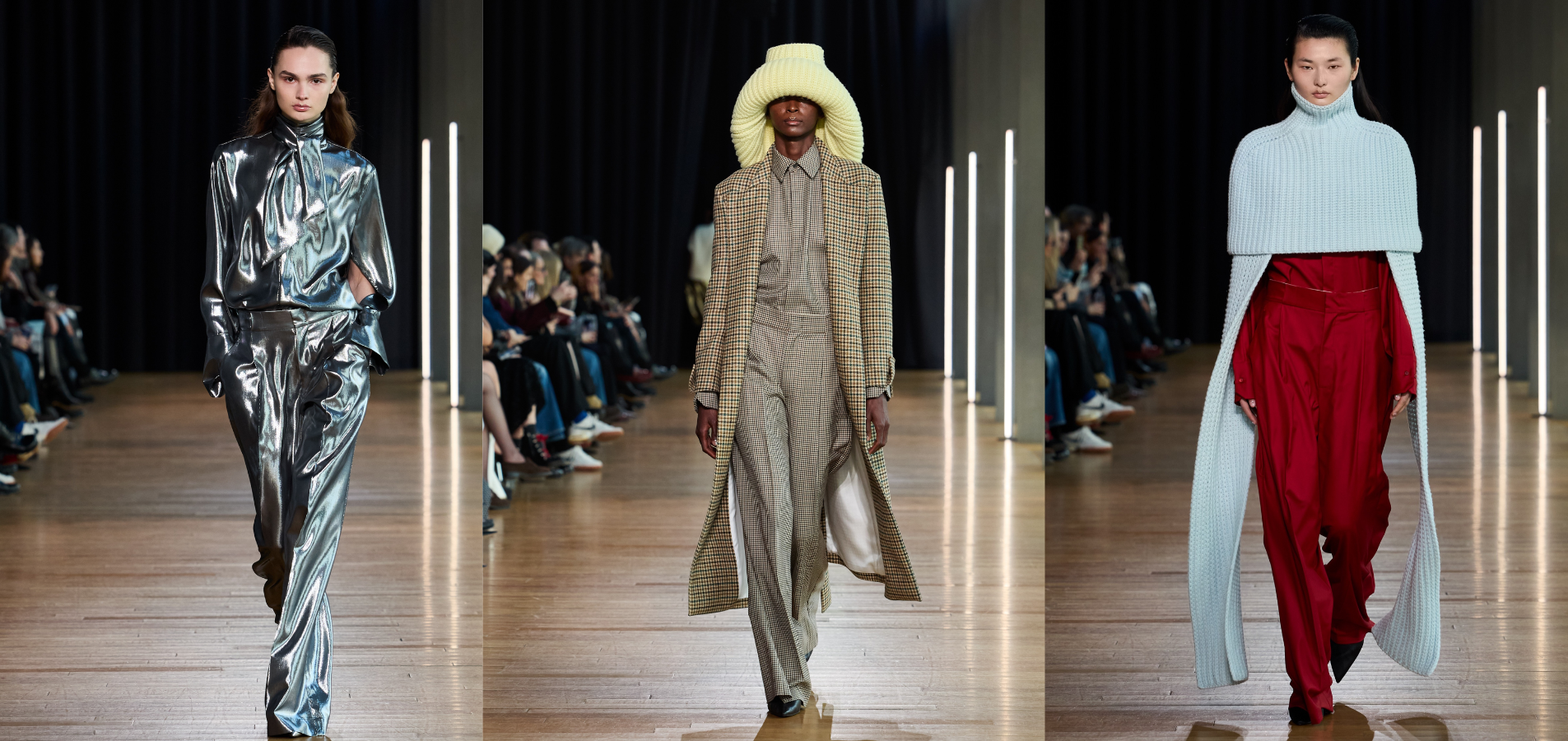
Knitwear is central to SA SU PHI’s identity, but it is not simply a soft layer beneath outerwear. In AW26, chunky cashmere and graphic ribbing helped create capes, sculptural skirts, and pronounced collars.
These designs show how knit constructions can influence a garment’s outline. Ribbing creates visual rhythm, while the material’s thickness and volume can give a piece a more architectural shape. The knit itself becomes a defining feature of the look.
The brand’s coats, tabards, and tailoring explore the relationships between structure and softness. Padded details and pronounced silhouettes create definition, while cashmere and silk help garments retain a sense of movement.
In its AW26 coverage, Vogue discussed the designers’ interest in protective forms that enhance rather than suppress fluidity. Padded hip details and sculptural shapes make that idea visible.
The result is not minimalism for its own sake. Construction gives garments character, allowing volume, collars, and outer shapes to become focal points without relying on elaborate decoration.
Jackets, trousers, shirts, and coordinated separates provide a practical foundation for the label’s more expressive pieces. AW26 pairs cashmere and wool suits with silk tailoring, giving familiar formal categories a softer appearance.
These pieces offer different styling possibilities rather than universal solutions for every occasion. A tailored jacket can anchor a daytime outfit, while silk or a more dramatic silhouette may suit evening dressing.
SA SU PHI uses navy, gray, burgundy, camel, and military green, but its collections also feature mint, pink, lemon yellow, light blue, and orange red, alongside metallic gold and silver.
These accents change the effect of familiar shapes. Bright color can make a sculptural knit feel graphic, while metallic finishes give tailoring an eveningwear dimension.
This is why describing the label only through quiet luxury is incomplete. Restrained colors provide a foundation, but color, texture and volume bring additional expression. Fashionwalt’s analysis of how quiet luxury and maximalism coexist provides a useful broader context for understanding this balance.
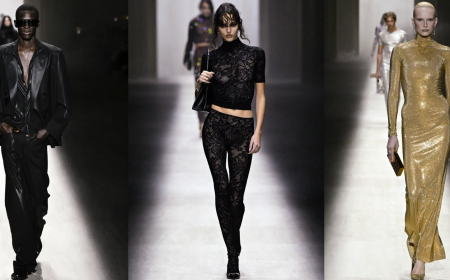
Titled ‘The Architecture of Femininity,’ SA SU PHI’s Autumn/Winter 2026 collection was presented at Fondazione Giangiacomo Feltrinelli in Milan, a building designed by Herzog & de Meuron. Its setting echoed the collection’s interest in structure and form.
The official AW26 runway page identifies cashmere and silk as key materials, with knitwear forming the collection’s backbone.
Sculptural cashmere: chunky knits become capes, collars, and skirts with pronounced outlines, making knitwear a tool for shaping the silhouette.
Volume and proportion: padded details and protective-looking forms create definition. Their impact comes from the contrast between strong outer shapes and soft materials.
Fluid tailoring: deconstructed cashmere and wool suits appear alongside silk tailoring, connecting formal clothing with a more fluid silhouette.
Color contrast: navy, burgundy, gray, military green and camel are balanced with brighter shades and metallic finishes. Color helps define and interrupt the shapes rather than serving as decoration alone.
Day-to-evening design: practical wardrobe pieces appear alongside expressive silk and metallic looks, moving between different approaches to dressing.
The collection also introduced the label’s first shoe, PHI, developed with Diego Dolcini. The official runway page describes a mid-heel design combining black leather and colored duchesse silk, with cashmere gaiters that can transform the look into a boot.
Together, these details show how SA SU PHI develops a consistent design language across clothing and accessories.
SA SU PHI was founded in 2021, but its debut runway presentation came with Spring/Summer 2026. Titled ‘Female Ontology, Statement of Identity,’ the collection introduced themes that continued into AW26: knitwear, tailoring, fluidity, structure, and color.
The SS26 runway page describes a wardrobe combining feminine contours with masculine lines, including knitwear, tailored pieces, floor-length skirts, silk shirts, and cotton garments.
AW26 developed these themes through more pronounced sculptural shapes and protective volume. The progression matters because the runway shows present garments as part of a wider proportion, revealing how materials, silhouettes, and colors work together.
The recent runway debut marks a new public chapter for a brand established several years earlier; it does not mark the beginning of the business itself.
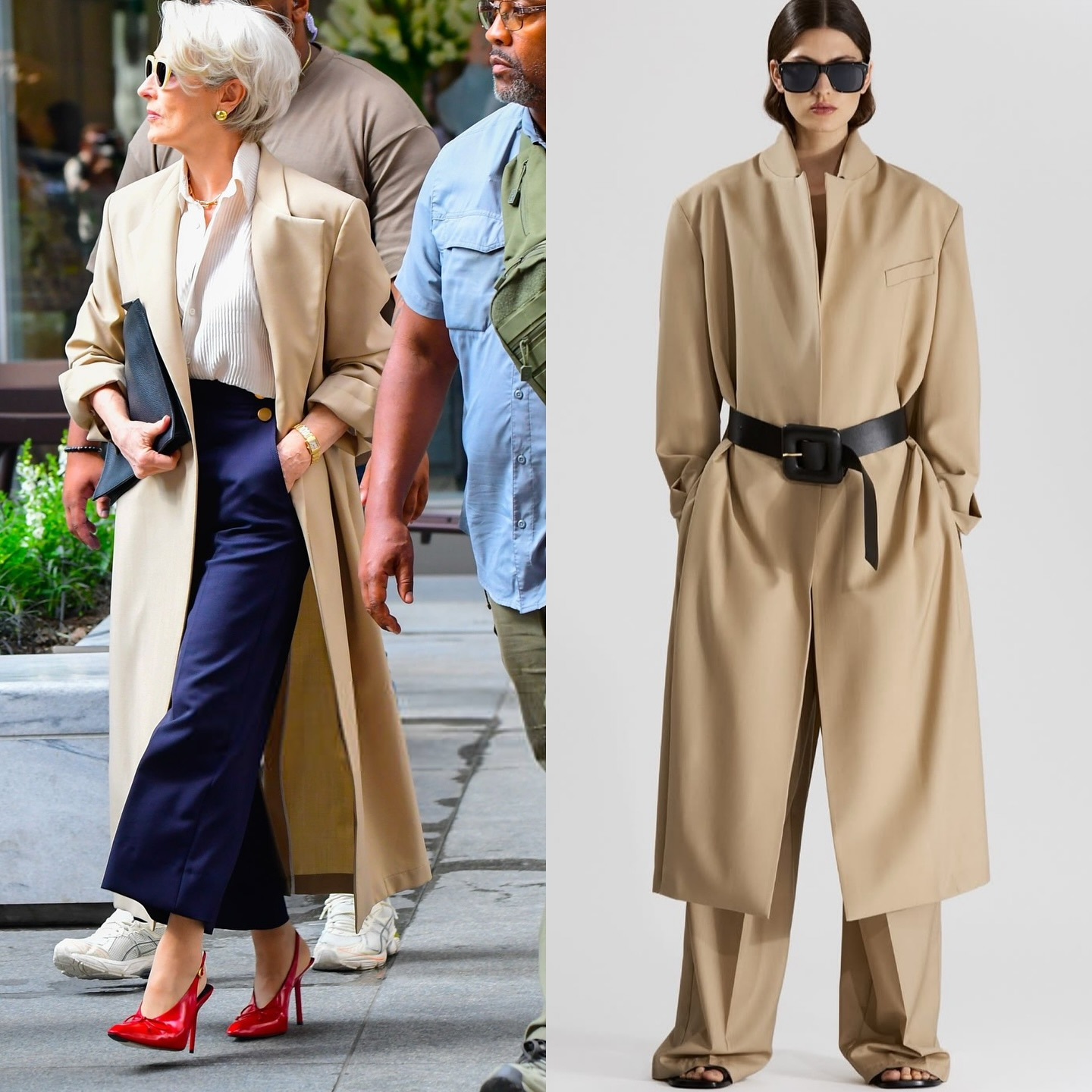
In February 2026, Vogue reported that Meryl Streep wore SA SU PHI’s Lauren wool coat as Miranda Priestly in the trailer for The Devil Wears Prada 2. A March 2026 article republished by The Star and credited to The New York Times also highlighted the label in connection with the film.
The appearance gave audiences a recognizable example of SA SU PHI outerwear in a widely discussed fashion-film context. A structured coat worn by a character associated with editorial authority naturally connects with conversations about power dressing.
For a broader look at how clothing communicates character, status, and authority on screen, Fashionwalt's feature on costume design in the year’s biggest films explores the relationship between cinematic storytelling and fashion.
However, the placement does not establish that SA SU PHI designed Miranda Priestly’s entire wardrobe, nor does it guarantee commercial success. Coverage by The New York Times should be understood as editorial attention, not a formal endorsement.
The film provides an entry point, while the runway collections offer a fuller view of the label’s design approach.
SA SU PHI works with ideas found across contemporary fashion, including quality materials, tailoring, and versatile dressing. Its distinction lies in how it combines them.
Knitwear as architecture: cashmere is used to create volume and shape, rather than being limited to conventional sweaters and cardigans.
A wardrobe for women’s lives: the founders emphasize comfort and authority, reflected in adaptable separates and tailoring designed with movement in mind.
Restraint with expression: classic colors and clean lines sit alongside vivid accents, sculptural silhouettes, and metallic evening pieces.
Other designers explore similar ideas, so the brand’s significance is not that it invented them. Its appeal lies in bringing them together through a knitwear-led wardrobe and a clear focus on proportion.
The official SA SU PHI website is the most direct place to explore its collections, including knitwear, coats, jackets, shirts, trousers, and skirts.
Selected luxury retailers have also carried the label. But Stuckists and availability can change. Check current retailer listings before assuming a particular garment is available. Not every runway look will necessarily be offered for sale, and prices vary by product and market.
Founded by Sara Ferrero and Susanna Cucco, SA SU PHI is a Milanese womenswear label built around knitwear, cashmere, tailoring, and sculptural proportions. Its AW26 collection shows how these elements can move beyond understated basics into expressive shapes and color while keeping material and wearability in view.
The Devil Wears Prada 2 trailer connection has given the label a recognizable introduction, and fashion-media coverage has brought further attention. But the stronger reason to follow SA SU PHI is its approach to modern dressing, where structure and softness, practicality and expression, are not treated as opposites.

Fashion and culture writer with a keen eye for red-carpet style, celebrity dressing, beauty, and the intersection of fashion and film. Their work explores the ideas and stories behind the looks, from emerging trends and archival fashion to the evolving language of modern celebrity style.