Outfit Formulas: 5 Combinations That Always Work


A full wardrobe does not always make getting dressed easier. Sometimes, the more clothes you have, the harder it becomes to decide what to wear. You might own plenty of versatile pieces but still find yourself trying several combinations before settling on one.
The solution is not necessarily to buy more clothes or copying complete outfits from social media. Learning a few reliable outfit formulas can make everyday dressing simpler by giving you a starting point whenever inspiration runs low. Outfit formulas can also help you get more from a smaller wardrobe. If you are building a capsule wardrobe on a budget, they offer a practical way to combine versatile pieces without continually buying new clothes.
An outfit formula is a combination of clothing categories that creates a cohesive look. You can change the individual pieces, colors, fabrics, and accessories while keeping the basic structure intact.
Here are five adaptable outfit formulas to use as starting points, with variations for different personal styles, occasions, and seasons. The goal is to make better use of the clothes you already own – not create another shopping list.
An outfit formula is a repeatable structure built around clothing categories. For example, pair straight-leg jeans with a simple fitted top, comfortable white sneakers, and a structured handbag to create an effortless everyday casual outfit.
The garments can change from one day to the next. You might wear straight-leg jeans with a T-shirt on Monday, then switch to dark denim and a button-down shirt on Friday. The structure remains familiar, but the outfits feel different.
A uniform repeats the same look, while a formula gives you room to experiment. Think of it as a styling shortcut rather than a strict dress code.
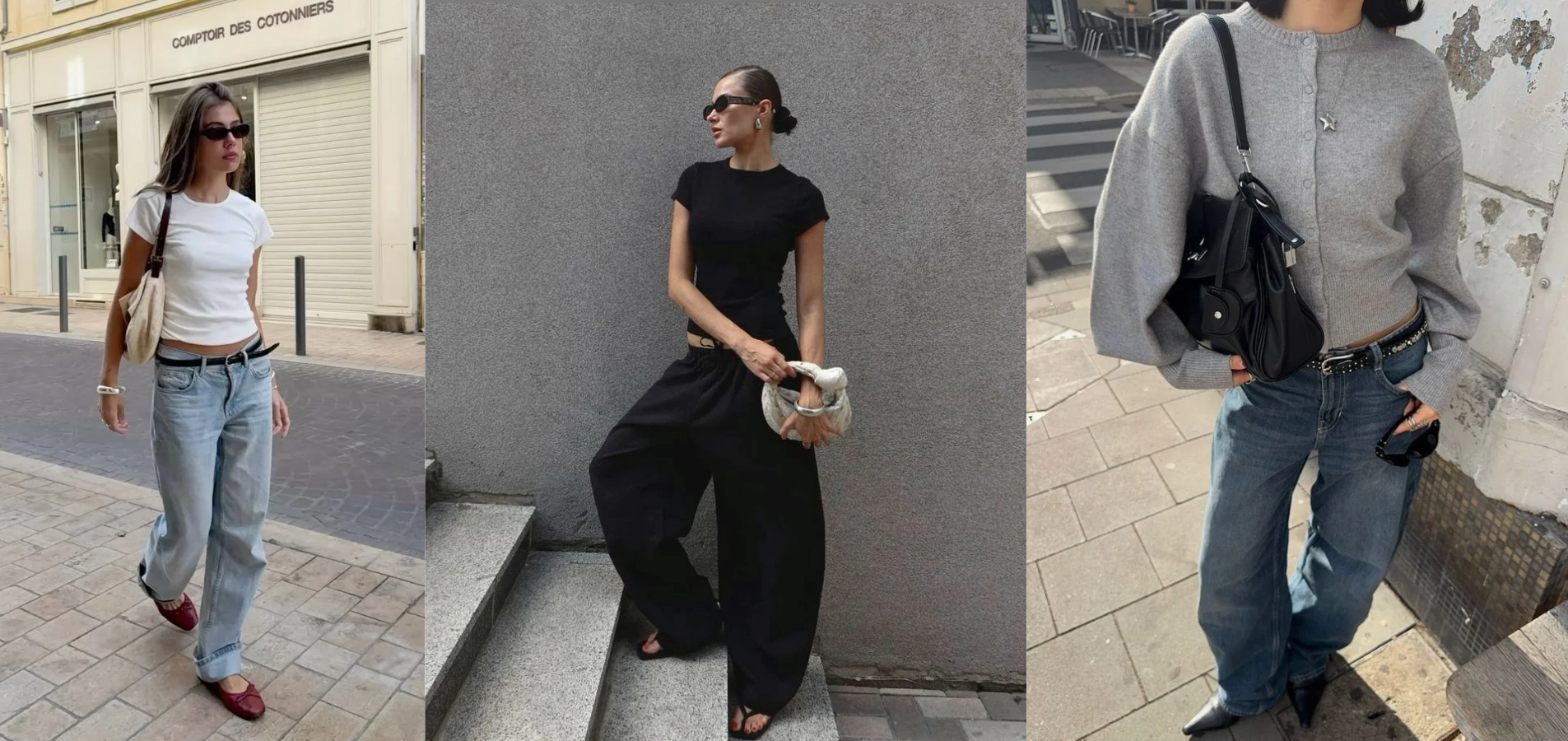
Elevated basics are an easy place to start when you want a comfortable outfit that still feels intentional. The combination relies on familiar pieces, with footwear or an accessory adding a final change.
Try these combinations:
Why it works: The base is uncomplicated, so small styling choices have room to stand out. A belt can connect the colors in an outfit, while loafers or a structured bag can give casual separates a more polished finish. Wide-legged jeans can also work in office settings when paired with a refined top, suitable footwear, and a structured layer. For more ideas, explore how to style wide-leg jeans for the office.
You do not need expensive basics to make this combination work. Fit, comfort, and condition matter more than a designer label.
How to make it your own: Replace jeans with a skirt or lightweight trousers, swap a plain T-shirt for a striped top, or add a colorful scarf. If you prefer sporty dress, choose sneakers and a relaxed jacket. For a more classic look, try a button-down shirt and loafers.
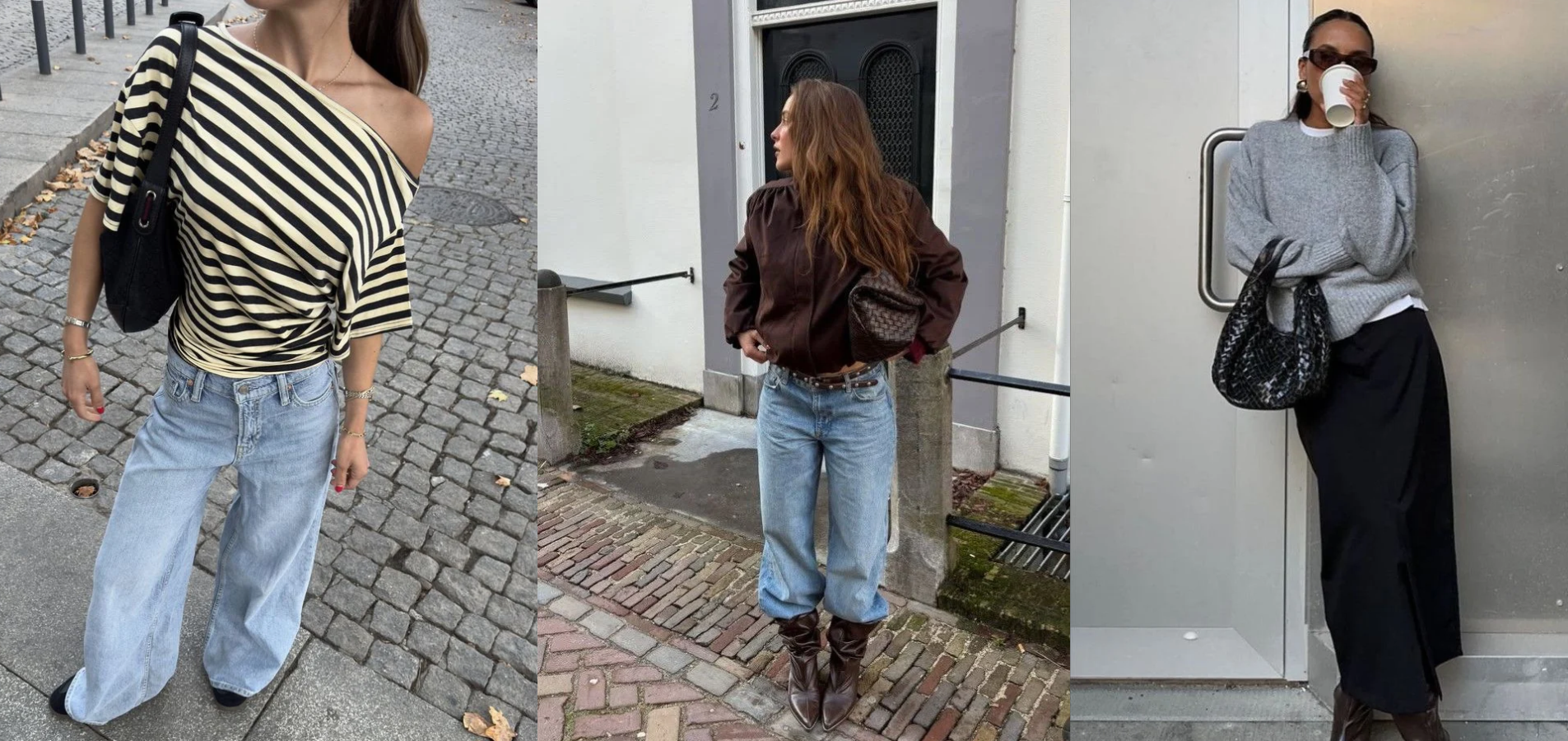
This formula focuses on the relationship between the shapes of your clothes. Pairing a fitted piece with a roomier one creates contrast, but you can adjust the balance to suit your preferences.
Try these combinations:
Why it works: Differences in volume help define the overall silhouette. A streamlined top can complement fuller trousers, while a relaxed knit can sit comfortably alongside a straighter skirt or pair of jeans.
This is an option, not a rule about what bodies should wear. You can also choose loose pieces on both top and bottom if you prefer a more relaxed shape. The most useful approach is to experiment with silhouettes, lengths, and fabrics until you find combinations that feel comfortable and reflect your personal preferences. For more guidance, explore fashionwalt’s guide on how to dress for your body type with a practical, flexible approach.
How to make it your own: Experiment with tucking in a shirt, changing a hem length or choosing a more structured fabric. If you do not enjoy fitted clothing, create contrast through texture instead – for example, a crisp cotton shirt with fluid trousers.
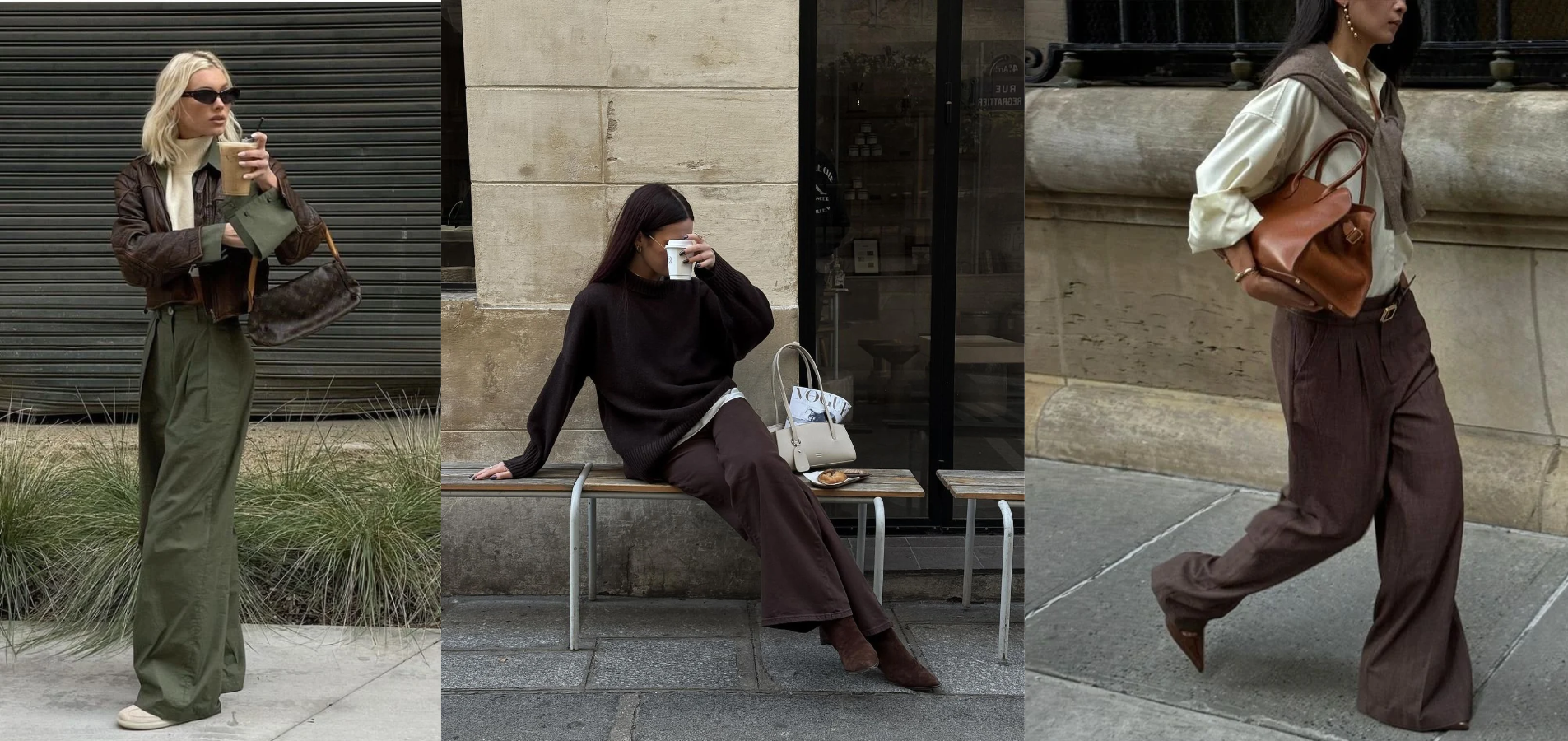
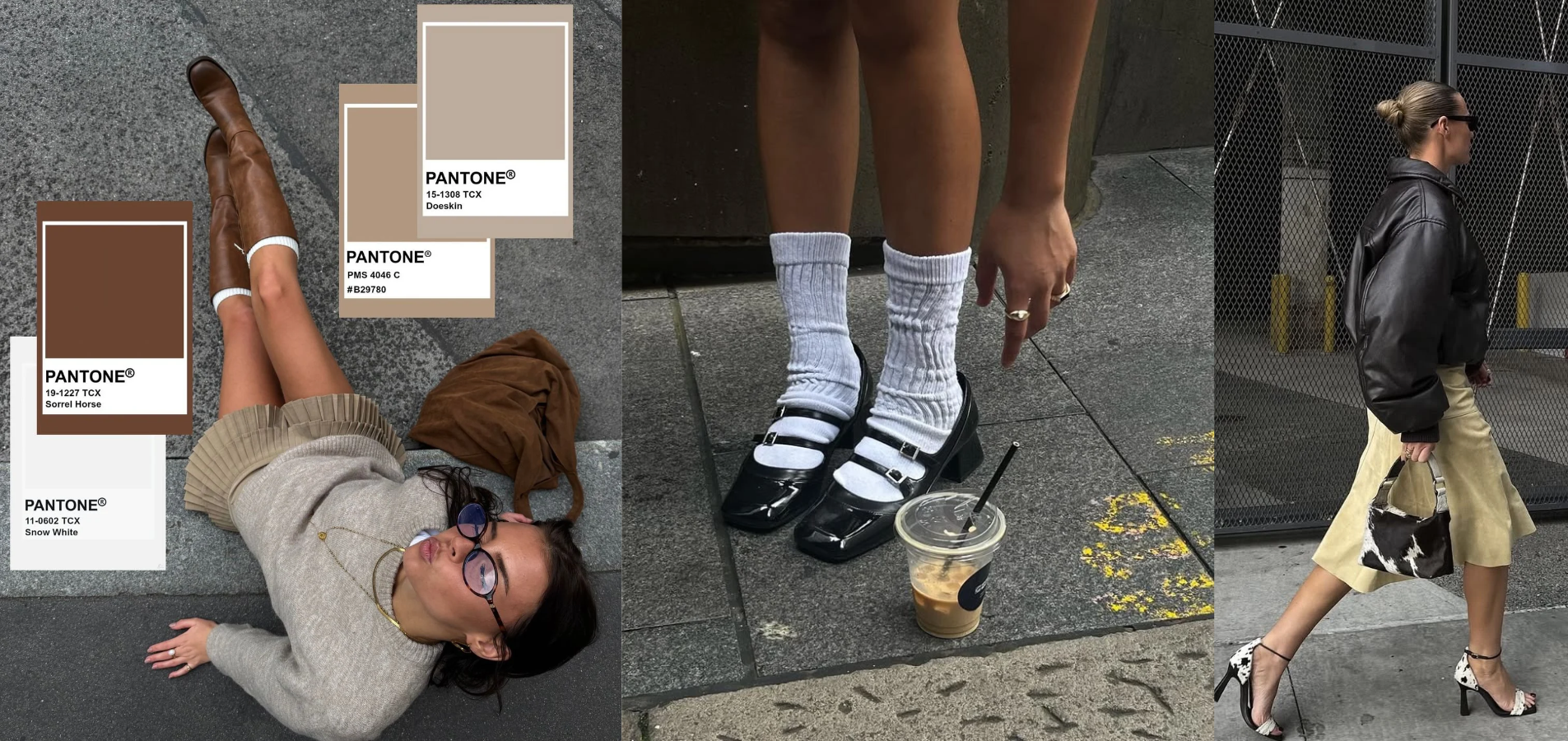
Tonal dress brings together garments from the same color family. It is an effortless way to create visual continuity without needing a matching set.
Try these combinations:
Why it works: Repeating a color creates a connection between separate garments. Different textures add interest, so the outfit does not have to rely on bold patterns or multiple contrasting shades.
For example, a cotton shirt, soft knit, and leather bag can create variety within a similar palette.
How to make it your own: Add a contrasting accessory if the outfit feels too uniform. A burgundy bag, patterned scarf or colorful shoes can provide a focal point. Tonal dressing also works with brighter colors; it does not have to mean wearing beige, black or grey.
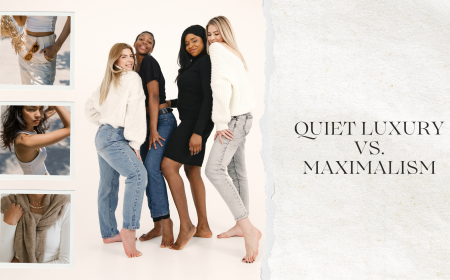
If you enjoy both understated and expressive fashion, tonal dressing can be a useful foundation for experimenting with accessories. Fashionwalt explores the contrast between these approaches in its guide to Quiet Luxury vs. Maximalism: Where the Pendulum Sits Now.
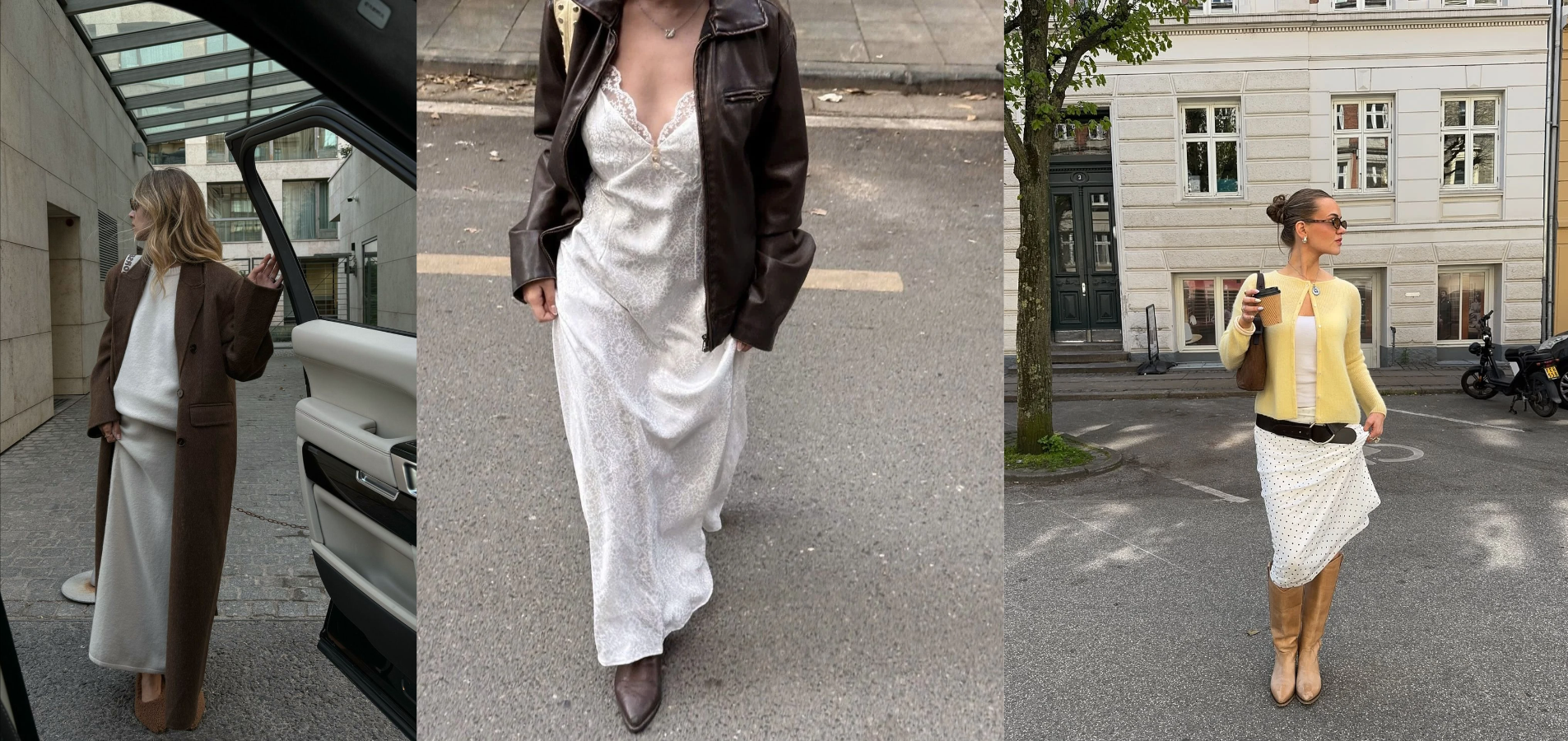
Best for: Days when you want to build an outfit with fewer separate pieces.
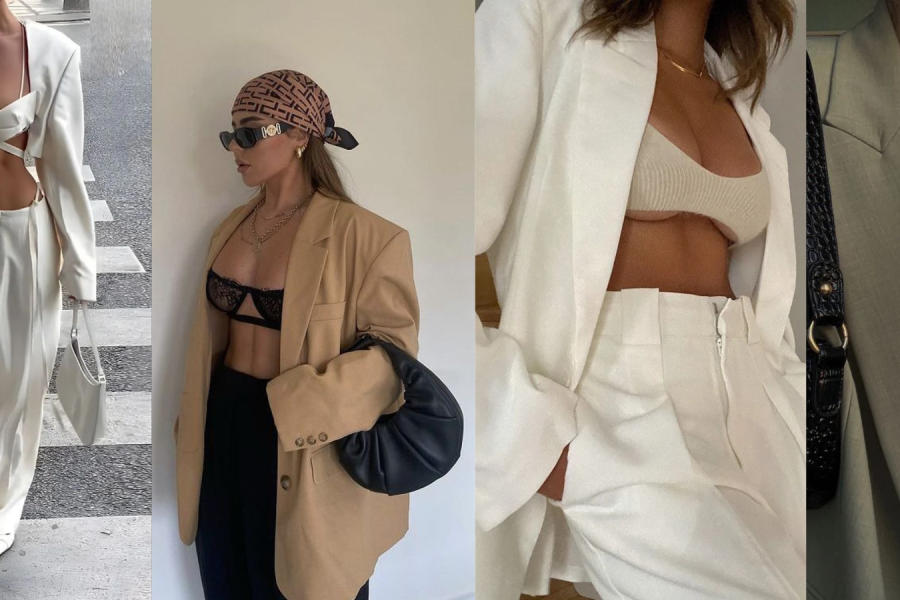
A dress, jumpsuit or coordinated set can do much of the styling work for you. Add a suitable layer and footwear, and you have a complete outfit that can move between different settings.
Try these combinations:
Why it works: The main garment establishes the outfit’s overall shape. A layer changes its mood and warmth, while footwear helps determine whether the look feels casual, polished, or suitable for an evening out.
How to make it your own: Choose a cardigan for a softer look, a blazer for more structure or a practical jacket for outdoor plans. In warmer weather, a lightweight shirt worn open can provide an extra layer without adding too much warmth.
You can use the same idea with a coordinated set if dresses and jumpsuits are not part of your wardrobe.
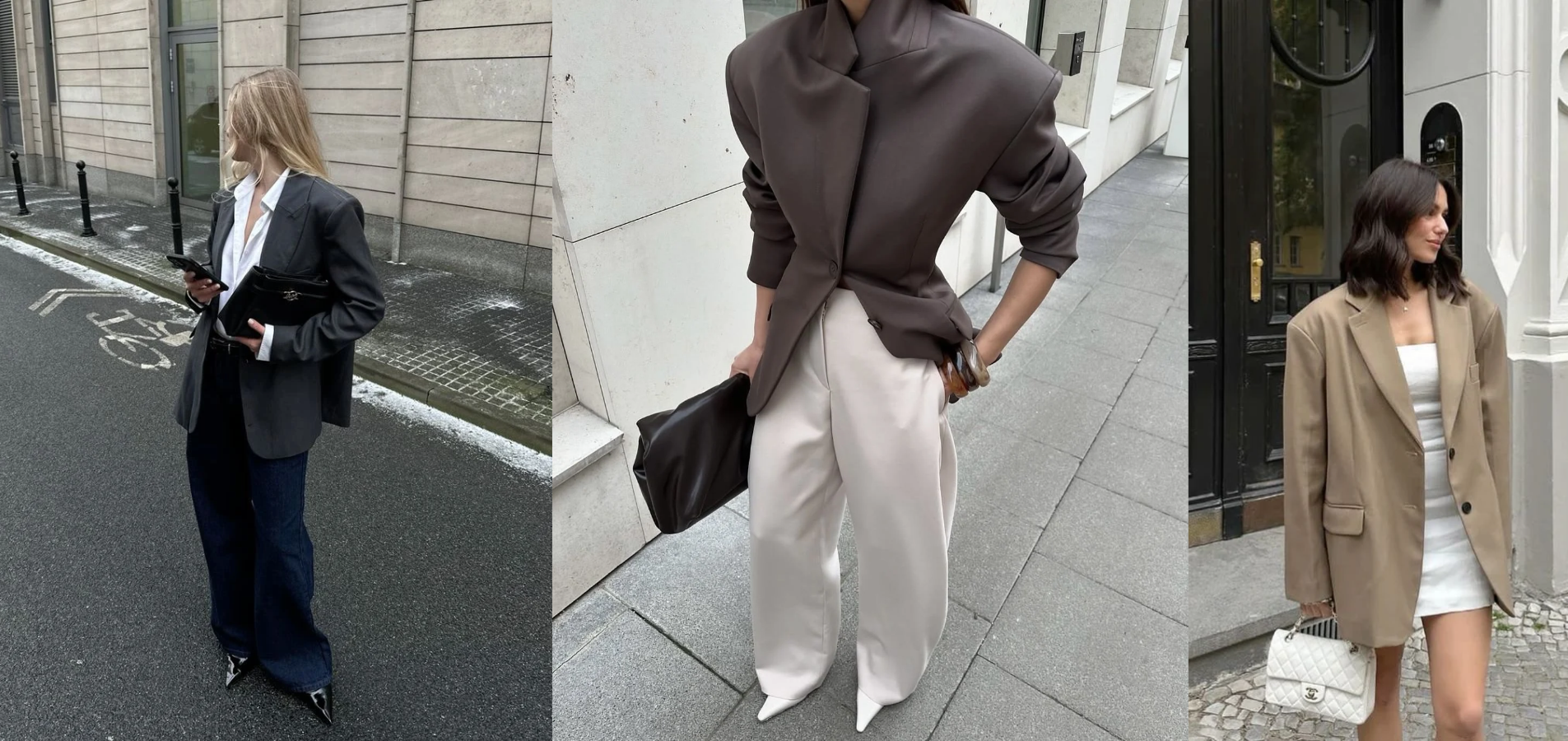
Best for: Work, meetings, lunches, and occasions that call for a more considered look.
Smart-casual dressing can be difficult to define because expectations vary by workplace and occasion. This formula offers a flexible starting point: combine a tailored or structured piece with a comfortable top and an appropriate finishing element.
Try these combinations:
Why it works: the formula balances structured and relaxed pieces without requiring all three elements to be formal. A blazer can add polish to a simple T-shirt and sneakers, while tailored trousers and loafers create a more refined look. The combination works because each piece complements the others without making the outfit feel overly dressed up.
How to make it your own: adjust the level of formality to suit the setting. For a casual environment, pair a blazer with a T-shirt and clean sneakers. For a more polished workplace or meeting, choose tailored trousers, a refined top, and loafers. You can also mix relaxed fabrics with structured pieces to create a balanced look that feels comfortable and appropriate for the occasion.
For an office, check the dress code before choosing denim or casual footwear. For an informal lunch, the same formula may work with fewer structured pieces.
| When you need… | Try this formula |
| An easy everyday outfit | Everyday bottoms + simple top + polished detail |
| A more defined silhouette | Fitted piece + relaxed piece |
| A coordinated look | Similar colors + varied textures |
| Fewer styling decisions | One-piece outfit + layer + suitable shoes |
| A polished smart-casual outfit | Tailored bottom + refined top + polished element |
An outfit formula does not have to define a single look. You can use the same combination of clothing pieces to express different aesthetics by changing the silhouettes, colors, patterns, and accessories.
For a minimalist look, pair tailored trousers with a simple neutral top, clean shoes, and understated jewelry. For a more romantic style, try a flowing skirt, a soft blouse, and delicate accessories. If you prefer an edgy aesthetic, use the same basic structure with darker colors, leather details, and statement boots.
You can also draw inspiration from styles such as quiet luxury, streetwear or maximalism. The key is to keep the outfit’s overall structure while choosing details that reflect your personal taste. This makes outfit formulas a starting point for individual expression rather than a set of rules.
The structure of an outfit can stay the same even when the weather changes. Replace fabrics, layers, and footwear instead of abandoning a combination that already works. Building around versatile seasonal essentials can make this process easier; ten pieces that carry you through winter can provide useful inspiration for choosing layers that work across multiple outfits.
| Outfit component | Warmer weather | Cooler weather |
| Simple top | Cotton tee or linen shirt | Knit, long-sleeve tee or layered shirt |
| Everyday bottom | Lightweight trousers, skirt, or jeans | Denim or heavier trousers |
| Outer layer | Lightweight blazer or overshirt | Cardigan, warmer jacket, or coat |
| One-piece outfit | Lightweight dress or jumpsuit | Knit dress with suitable layers |
| Footwear | Sandals, flats, or breathable sneakers | Boots, loafers, or weather-appropriate shoes |
Rather than creating a completely different wardrobe for every season, think of each formula as a structure that can be adjusted with weather-appropriate pieces.
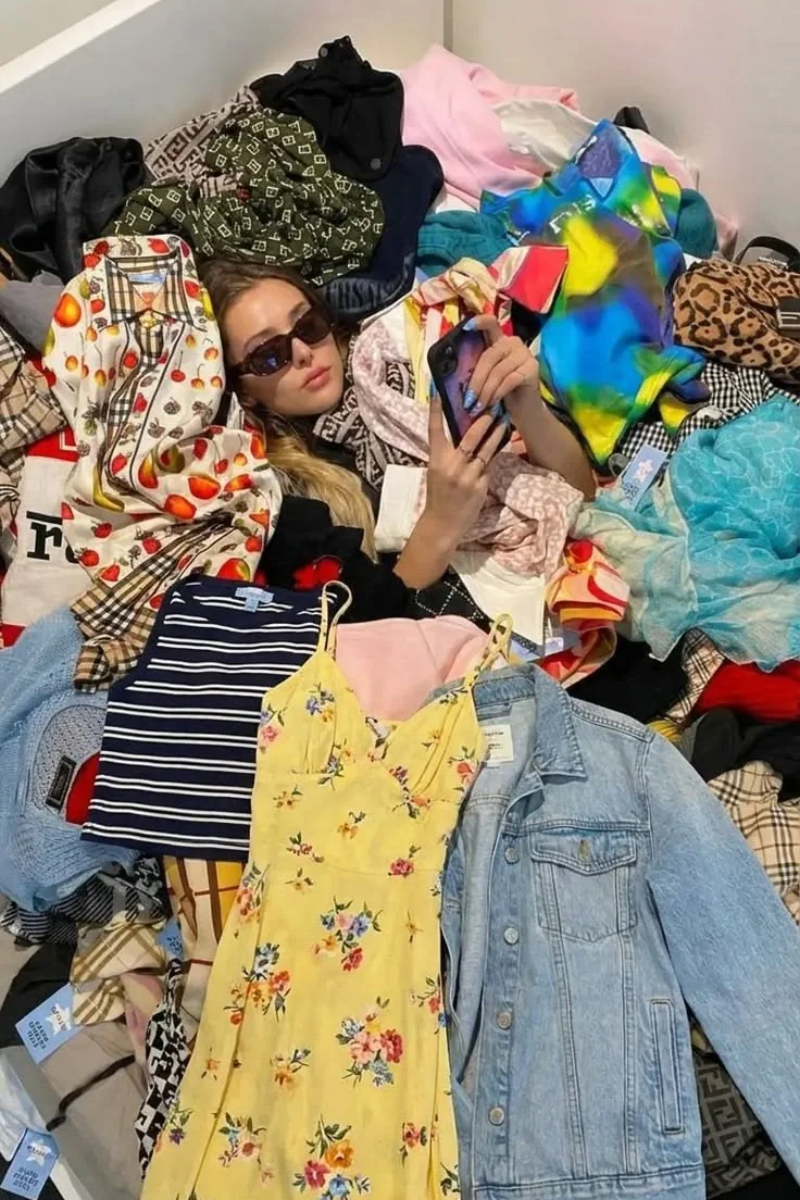
You do not need to buy new clothes to create reliable outfit formulas. Start by looking through your wardrobe and identifying the pieces you wear most often, especially items that fit well and work with several other garments.
Over time, these saved combinations become a personal outfit reference. They make getting dressed easier because you already have complete looks built from clothes you own.
Outfit formulas are useful starting points, but a few common mistakes can make them less effective:
Outfit formulas make dressing simpler every day by giving you reliable combinations to return to. Start with the pieces you wear most, experiment with different pairings and save the outfits that work for your routine and personal style.

Fashion and culture writer with a keen eye for red-carpet style, celebrity dressing, beauty, and the intersection of fashion and film. Their work explores the ideas and stories behind the looks, from emerging trends and archival fashion to the evolving language of modern celebrity style.